Open Floor Plan vs Traditional Layout: Which Home Design Is Better?
You're staring at your home's floor plan and wondering whether to knock down walls or keep them standing. It's a decision that affects everything-how your family interacts, what your energy bills look like, and how much your home is worth when you sell.
The wrong choice means living with daily frustrations: either a noisy, cluttered-feeling space or a dark, disconnected one. This guide breaks down the key differences between open floor plans and traditional layouts across every factor that matters, so you can choose the design that actually fits your life.
Open Floor Plan vs Traditional Layout: Key Differences
The main difference is simple: connected spaces versus separate rooms.
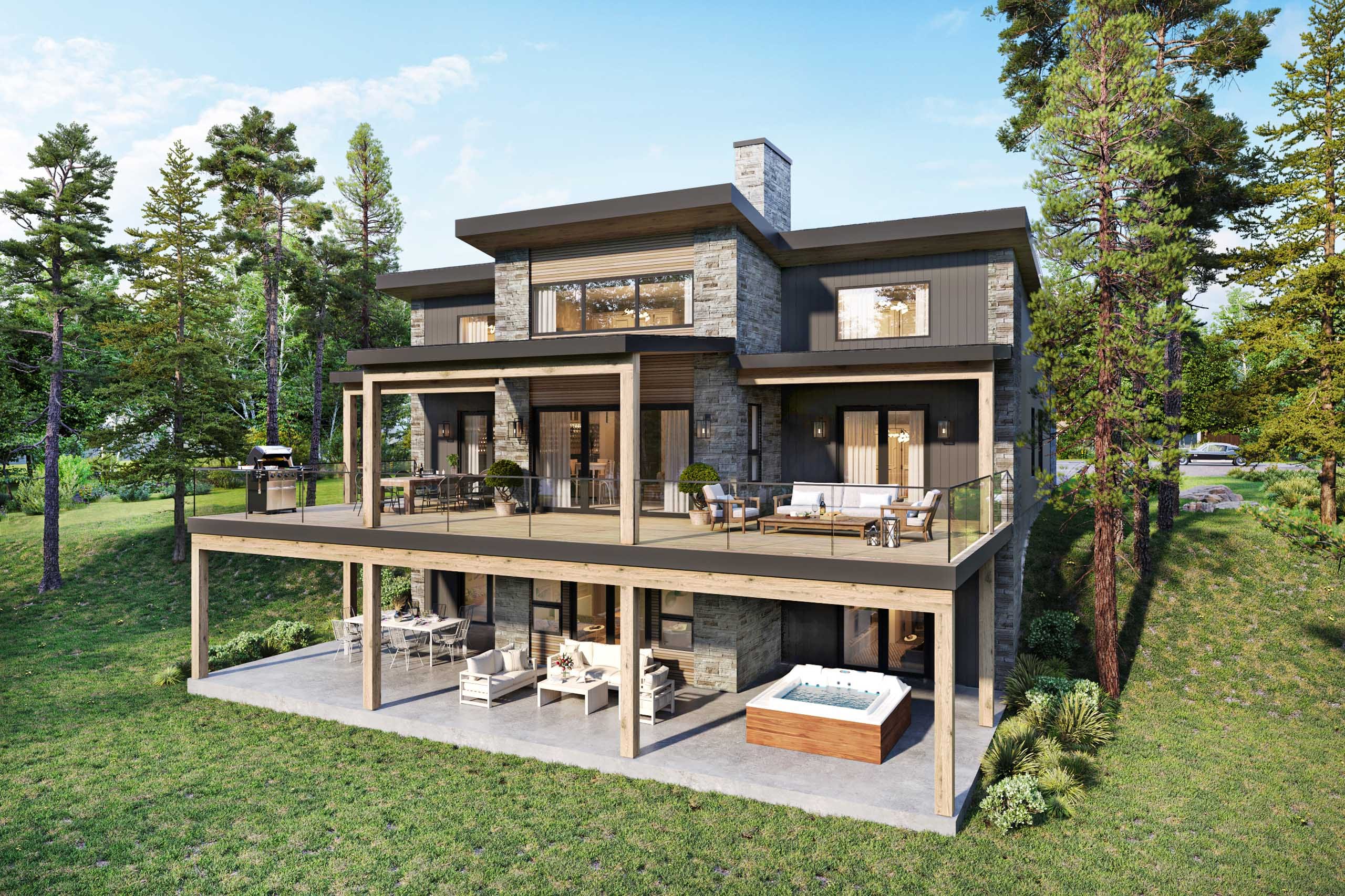
An open floor plan combines common areas like the kitchen and living room into one continuous volume with fewer walls and unobstructed sight lines. A traditional layout uses walls and doors to create defined rooms, each with a distinct purpose and clear boundaries.
- Open concept floor plans remove barriers between kitchen, dining, and living areas, creating a communal living space designed for flow and visibility.
- Traditional floor plans partition the home into individual rooms-a dedicated space for cooking, a formal dining room, a separate living room-each with its own atmosphere.
Both approaches shape daily life, entertaining, and long-term home value in fundamentally different ways. Open floor plans became popular in the 1950s and became standard in American homes by the 1990s, driven by modernist architecture and changing family dynamics. Traditional layouts dominated earlier 20th-century housing and still appeal to buyers who prioritize privacy and structure.
Today, the market reflects this tension. 70% of American home buyers prefer open floor plans, yet recent surveys show preferences splitting closer to 51/49 as remote work and different schedules drive demand for private spaces. The best layout depends on how you actually live.
Space and Light Flow
How your home handles natural light and perceived square footage comes down to where the walls are-or aren't.
Open Floor Plan Space
Open floor plans create an airy and bright atmosphere without increasing square footage. Natural light flows freely across connected spaces, reaching deeper into the home because there are no interior walls blocking its path. An open concept layout makes even modest homes feel significantly larger through uninterrupted sight lines.
Air circulation improves throughout the main living areas, and the entire space benefits from shared light entering through windows on multiple sides. However, furniture placement requires careful planning. Without walls to anchor arrangements, you need to define activity zones through furniture groupings, rugs, or changes in flooring-poor zoning can make a great room feel cavernous or disorganized.
An open floor plan offers design flexibility for functional zones and furniture arrangements, which is one reason 54% of home builders design standard homes with open kitchen-family rooms.
Traditional Layout Space
A more traditional layout gives each room controlled lighting conditions, but the trade-off is that interior spaces may feel darker overall. Walls block natural light from traveling between rooms, and homes with limited windows can feel cramped.
What traditional layouts deliver instead: cozy, intimate distinct spaces with clear boundaries. Each room can be lit, painted, and decorated according to its specific function without worrying about visual continuity with adjacent areas. You also gain significantly more wall space for storage, shelving, artwork, and furniture placement-something open spaces simply can't match.
Traditional layouts can make homes feel more structured and contained, which many homeowners find comforting rather than confining.
Privacy and Noise Control
Layout determines how much sound and visual exposure travels through your home-a factor that becomes critical when family members have different schedules.
Open Floor Plan Privacy
Open layouts allow noise from cooking and conversation to travel easily across the entire space. There's no escaping a blender, a loud TV, or a spirited phone call when kitchen, dining area, and living area share one connected volume. Activities happening in one zone are visible from all others.
This visibility works well for some scenarios but creates friction for others. It's difficult to hide clutter or work privately during social gatherings. For households where someone needs to focus while others cook or watch television, the lack of acoustic separation is a genuine daily frustration. Traditional layouts generally offer more privacy than open layouts.
Traditional Layout Privacy
Walls contain sound within individual rooms effectively. Separate rooms help contain sound in traditional layouts, making it possible for multiple activities to occur simultaneously without interference-someone studying in one room, someone watching TV in another, someone on a work call in a third.
Traditional layouts provide distinct spaces for quiet work or reading, which is why they're better suited for remote work arrangements requiring focused concentration. Private conversations stay private. Doors close. This functional separation is something buyers often prefer when seeking layouts with some strategic separation for privacy.
Entertaining and Family Life
How you spend time with guests and family members at home shapes which layout makes sense for your household.
Open Floor Plan Entertaining
An open floor plan facilitates easier social interaction during entertaining. Hosts can cook while interacting with guests in the living area, and large social gatherings flow naturally between kitchen, dining, and living zones without bottlenecks at doorways.
Open layouts are better for casual entertaining and match how families live today. An open floor plan allows for simpler supervision of young children during household chores-parents can watch kids play while preparing meals. Open layouts allow families to stay connected during activities, creating an inviting atmosphere for daily home life.
Open-concept homes support casual indoor/outdoor lifestyles, and open layouts support visibility and shared activities. This connected quality is precisely why 70% of American home buyers prefer open kitchen and family room areas.
Traditional Layout Entertaining
Traditional layouts offer a different kind of entertaining experience. A formal dining room and living room create elegant settings for special occasions, while separate living rooms allow quiet conversations away from kitchen activity during meal preparation.
Hosts who prefer to prepare meals privately before serving guests appreciate the enclosed space of a traditional kitchen. Multiple conversation areas in different rooms accommodate various group sizes simultaneously, which actually works better for larger parties where guests naturally break into smaller groups.
Maintenance and Cleaning Requirements
Your daily upkeep routine changes depending on whether your living spaces are connected or separated.
Open Floor Plan Maintenance
When everything is visible, everything needs to be tidy. The entire main living area must be kept presentable since there are no walls to hide behind. Cooking odors spread throughout connected spaces-kitchen smells drift into the dining area and living area unless mitigated with powerful range hoods and proper ventilation.
Larger continuous floor areas require more time for vacuuming and mopping in a single session. You also need coordinated decor across all connected zones for visual harmony; mismatched finishes or styles are far more glaring in open spaces than behind closed doors.
Traditional Layout Maintenance
Rooms can be cleaned and organized independently as needed-close a door, and the mess waits. Kitchen messes and odors stay contained within the designated cooking space, which is a practical advantage for anyone who cooks frequently.
Each room requires separate attention but offers contained organization. And here's an underrated benefit: each room can have distinct decorating styles without visual conflict, giving you creative freedom you simply don't have in an open concept design.
Cost and Energy Considerations
Construction and utility costs vary significantly between layout types, and the numbers matter.
Removing structural barriers in a home improves traffic flow between rooms, but it comes at a price. Removing a non-load-bearing wall typically costs $1,000–$3,000, while load-bearing wall removal with beam installation runs $8,000–$20,000+ depending on span and complexity. In high-cost markets like the Bay Area, single load-bearing wall projects can reach $8,000–$25,000+. Full open concept kitchen and great room conversions may push $20,000–$50,000+ in many U.S. markets.
Traditional layouts typically cost less to heat and cool individual rooms. Closed floor plans allow conditioning only occupied spaces-close a door, reduce the load. Data suggests closed designs save roughly 15–20% on heating and cooling energy compared to open volumes. Open plans create larger connected volumes that are harder for HVAC systems to manage efficiently; thermal stratification becomes problematic, and zoning is less effective without multi-zone systems and smart dampers.
However, open floor plans can reduce lighting energy thanks to more natural light penetration, and they can make smaller homes feel larger-potentially meaning less total square footage is needed for new construction. Energy efficiency ultimately depends on home size, insulation quality, ceiling height, and HVAC system design.
On the value side: homes with open floor plans showed approximately 7.4% annual appreciation between 2011 and 2016, and open concept renovations can increase home value by up to 15% over comparable closed floor plans. Flexibility in home design can increase resale value, and an open floor plan layout appeals to a broader range of potential buyers due to current lifestyle trends.
Open Floor Plan vs Traditional Layout: Which Should You Choose?
Choose an open floor plan if you prioritize social interaction, modern aesthetics, and flexible entertaining space. Open floor plans pros-visibility, shared light, the ability to entertain guests while cooking-align with casual, connected home life.
Choose a traditional layout if you value privacy, quiet work areas, and defined room purposes. Closed floor plans deliver acoustic separation, contained messes, and dedicated spaces that support remote work and different schedules under one roof.
Consider a hybrid approach that combines open main areas with private bedroom and office spaces. Buyers seek homes that balance open and private spaces, and sliding partitions, half walls, and smart HVAC zoning let you get the best of both. This trend has accelerated since COVID-19 as families recognize they need both togetherness and retreat.
Both layouts can increase home value when designed well and matched to local buyer preferences. The best layout isn't about following trends-it's about honestly assessing how your household lives day to day, then building around that reality.
FAQ
- Is an open floor plan more expensive to build than a traditional layout?
- Not necessarily for new construction. Open plans use fewer interior walls but may require structural beams. Conversions from traditional to open concept are where costs climb-$8,000–$20,000+ for load-bearing wall removal alone.
- Do open floor plans hurt energy efficiency?
- They can. Larger open volumes are harder to heat and cool efficiently, and closed layouts save roughly 15–20% on HVAC costs. Proper zoning systems and insulation help close that gap.
- Which layout do most buyers prefer?
- 70% of American home buyers prefer open floor plans, though recent data shows preferences narrowing as privacy and work-from-home needs grow. Many buyers now want a hybrid that offers both open and private spaces.
- Can I convert my traditional layout to open concept?
- Yes, but have a structural engineer assess load-bearing walls first. Budget for permits, beam installation, and finish work. In many markets, the investment pays back through increased home value.
- What is a hybrid layout?
- A hybrid approach keeps communal areas like the kitchen and dining room open while maintaining enclosed rooms for bedrooms, offices, and quiet zones-giving you connected spaces where you want them and privacy where you need it.