What Home Renovations Need a Permit

Most homeowners assume permits are optional bureaucracy. That assumption costs people money every year.
Unpermitted work can become a major problem when you try to sell your home, file an insurance claim, or discover the work was done incorrectly because nobody inspected it.
Banks flag it during refinancing. Buyers walk away. And in the worst cases, you pay to tear it out and redo it.
This guide tells you exactly which home renovation projects require a permit, which ones don't, how the permit process works, and how to avoid the costly mistakes many homeowners make by skipping this step.
Whether you are remodeling a kitchen, building an addition, or installing new electrical, you will know where you stand before work starts.
What Is a Permit and Why Do You Need One?
A building permit is official approval from your local government authorizing specific construction or renovation work.
Permits are issued by the local building department after verifying that your plans meet local building codes.
There are several types. A general building permit covers structural work. Trade permits cover electrical and plumbing, mechanical systems, and HVAC separately.
Some renovation projects also require zoning approvals, historic district reviews, or demolition permits depending on the location and scope.
Why municipalities require permits:
Permits ensure the work is inspected at key stages and meets safety standards. An inspection catches problems before walls are closed up.
For example, faulty wiring, improper plumbing system connections, or structural issues that would be invisible and dangerous otherwise.
Properly permitted work also protects your investment by creating a documented record that work was done correctly and safely.
What happens if you skip permits:
Renovating without a permit exposes you to fines, stop-work orders, and mandatory removal of noncompliant work.
Done without permits, structural changes and system upgrades are invisible to future inspectors. When you try to sell your home, a home inspection will often flag unpermitted work.
Unpermitted work can become a major liability at the sale of your home, during insurance claims, and if someone is injured.

Projects That Require a Permit
Projects that require a permit generally fall into four categories: structural changes, major system work, significant additions, and site alterations.
Here is what typically requires approval.
Structural and additions:
- Home addition — any expansion of living space, including room additions, sunrooms, and garage conversions
- Building an addition or second story
- Removing or altering load-bearing walls
- Basement finishing that changes egress, adds bedrooms, or affects structure
Major systems:
- Electrical — new circuits, panel upgrades, service changes, rewiring (most wiring work beyond simple fixture swaps)
- Plumbing — moving drain lines, adding bathrooms, gas line work, significant plumbing system alterations
- Heating and cooling systems — new furnace or AC installation, ductwork changes, installing new HVAC equipment
Exterior and site work:
- Decks and porches above a certain height or square footage
- Sheds and accessory structures over size thresholds (varies by municipality)
- Retaining walls over a certain height
- Driveways with significant grading changes
Interior renovation work:
- Kitchen remodel involving moving gas lines, plumbing, or structural walls
- Bathroom remodel that changes drainage, adds ventilation, or moves fixtures
- Fireplace and chimney installations
Large projects and construction projects involving any combination of the above almost always require permits. When in doubt, the answer is usually yes.
Projects That Do Not Require a Permit
Many routine maintenance and cosmetic updates fall under projects that do not require a permit.
These are generally work that does not affect structure, safety systems, or load-bearing elements.
Permit-free:
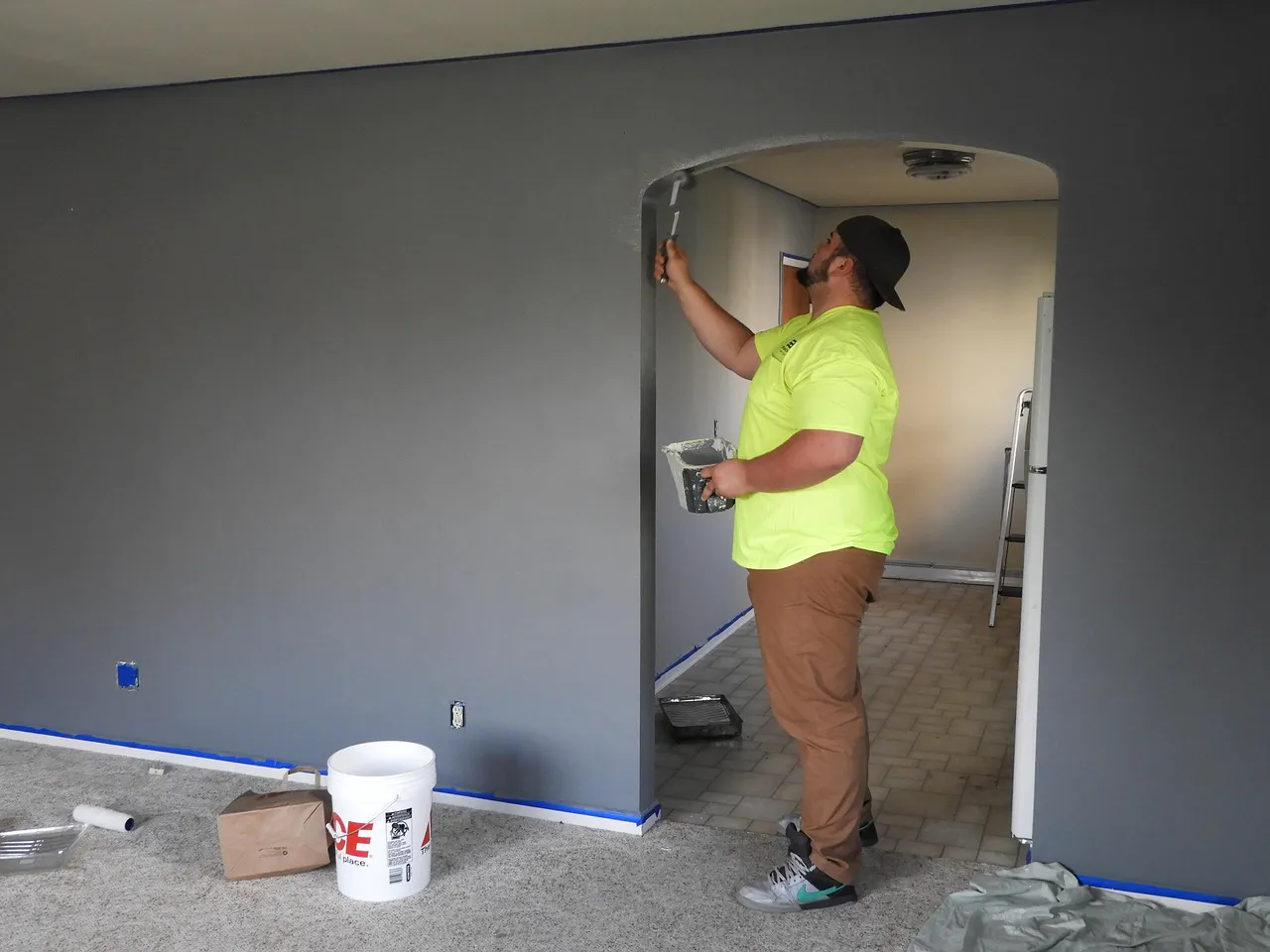
- Painting interior or exterior walls
- Replacing flooring with no structural changes
- Cabinet replacement that does not alter plumbing or appliances
- Countertop replacement
- Installing new light fixtures on existing circuits (replacing like-for-like)
- Minor landscaping and garden work
- Replacing drywall on existing walls with no structural changes
- Replacing a water heater in the same location with the same fuel type (check locally)
Important caveats: Permit requirements vary by city, county, and state. Work that is permit-free in one jurisdiction may require a permit in another.
HOA rules can also require approvals separate from municipal permits — your HOA may need sign-off even when the city does not.
Permits are usually not required for simple cosmetic work, but many homeowners make the mistake of assuming that because a project feels minor, it cannot require permits. The scope — not the difficulty — is what matters.
How to Determine If Your Project Needs a Permit
Use this checklist before starting any home renovation:
- Define the full scope. Does the work involve structural changes, load-bearing walls, or foundation elements? Does it touch plumbing and electrical or mechanical systems? Is it an addition or new structure? If yes to any of these, assume a permit is needed.
- Contact your local building department before starting. Call or check the local building department website. Most departments have online permit guides by project type. This is the only way to get an authoritative answer since local building codes and thresholds vary widely.
- Check with your local building department about zoning and historic district rules. Some areas have additional permit requirements beyond standard building permits.
- Ask your contractor. A licensed contractor should know what permits are required for your type of project and should be willing to manage permits on your behalf. If a contractor suggests skipping permits to save time or money, that is a red flag.
- When in doubt, apply. A simple permit costs less than the fine for skipping one. An inspection record also protects you at resale.
The fastest way to determine what your home improvement project needs is to contact your local building department directly.
The first step for any project is to contact them early so permit requirements can be built into the timeline.
The Permit Application Process
The process of getting a permit follows a predictable sequence for most renovation projects.
Step 1: Prepare your documents
Most applications require scaled drawings or plans that show the scope of work. Larger significant projects may require engineered drawings or soil reports.
Electrical and plumbing work usually needs plans that show the layout and specifications.
Step 2: Submit the application
Most building departments accept online submissions now. Some still require in-person filing. Pay the permit fee at submission.
Step 3: Plan review
For large projects, plan review can take several weeks. Simple permit applications for straightforward work are often approved same-day or within a few business days.
Expedited review is available in many jurisdictions for an additional fee.
Step 4: Schedule inspections
Permits ensure inspections happen at the right stages — footings before concrete is poured, rough framing before walls are closed, rough-in plumbing and wiring before insulation, and a final inspection at completion.
Missing an inspection stage means going back.
Step 5: Receive final approval
Once all inspections pass, the building department closes the permit. For additions and new structures, you may receive a certificate of occupancy.
Permit costs are calculated as a percentage of project value, a flat fee, or a per-inspection fee depending on the jurisdiction. Budget permit costs into your project from the start. Factor possible plan revision requests and re-inspection fees into your timeline as well.
Tips to Avoid Delays
Getting proper permits without unnecessary delays comes down to preparation and communication.
Prepare complete, accurate plans
Incomplete submissions are the most common reason for delays.
A plan that clearly shows the scope of work and meets local format requirements moves through review faster.
For complex projects, hire an architect or engineer to prepare drawings. The cost is offset by avoiding revision cycles.
Contact the building department early
Many departments offer pre-application meetings for large projects. Use them. Clarifying requirements before you submit can save you a lot of back-and-forth after.
Hire a licensed contractor who handles permits
A licensed contractor who regularly manages permits in your area knows the local process, the inspectors, and the common sticking points.
Clarify in the contract who is responsible for pulling and managing permits — the homeowner or the contractor. Get it in writing.
Schedule inspections promptly
Once work reaches an inspection milestone, book immediately. Delays in scheduling stack up and push the project completion date.
Keep all permit and inspection records
Store copies of the permit, all inspection reports, and the final sign-off. These documents are your proof that work was done to code. They matter at home inspection, resale, and for insurance purposes.
FAQ
- Do I need a permit to replace my roof?
- Often yes for full structural replacements. Some jurisdictions allow like-for-like shingle replacement without one. Check with your local building department before starting. Permit requirements for roofing vary significantly by location.
- What happens if I renovate without a permit?
- You risk fines, stop-work orders, and being required to remove or redo the work. When selling your home, unpermitted work surfaces during inspection and can delay or kill the sale. Insurance claims for damage to unpermitted work can also be denied.
- Can a homeowner pull their own permit?
- Yes. Homeowners can apply for home renovation permits in most jurisdictions. For trade work like electrical and plumbing, some areas require a licensed trade contractor to pull the permit even if a homeowner is doing the work.
- How long does it take to get a permit?
- A simple permit for straightforward work can be approved same-day. Complex remodeling projects with plan review requirements can take several weeks or longer. Build permit timing into your project schedule from the start.
- What if my contractor didn't pull permits?
- Hold the contractor accountable per your contract. Contact your local building department to understand your options. In some cases retroactive permits and inspections are possible. Doing nothing leaves unpermitted work on record, which becomes your problem at resale.
Conclusion
The rule is simpler than most people think: if the work touches structure, electrical, plumbing, HVAC, or adds new space, assume it needs a building permit and verify with your local building department before starting.
Home renovation permits are not obstacles. They are the mechanism that ensures your renovation meets code, gets inspected, and is documented. That documentation protects your investment at every future point, such as resale, insurance, refinancing, and your own safety.
Contact your local building department before finalizing plans on any significant project. It costs nothing to ask and can save you a lot of money, time, and stress down the line.