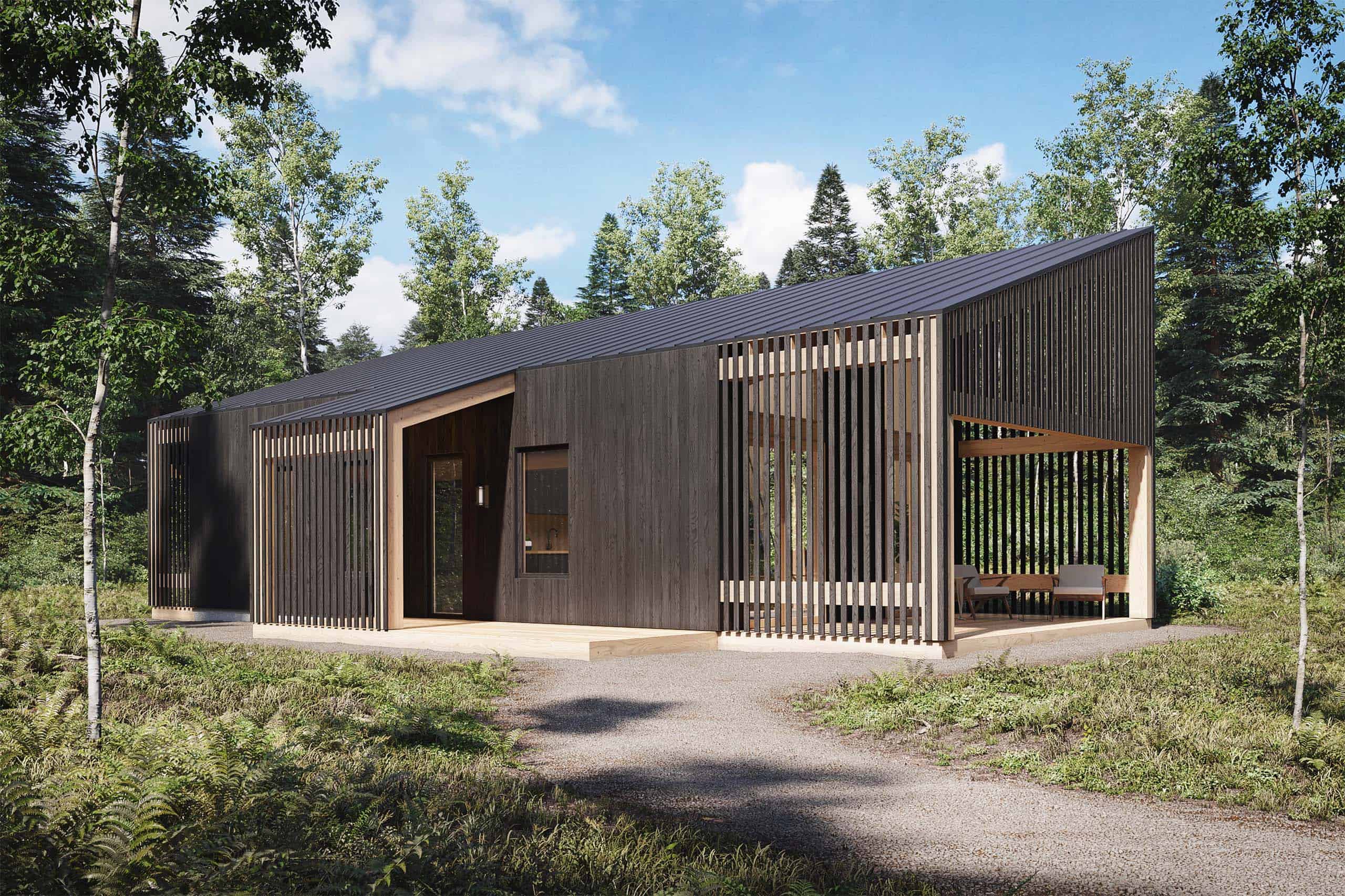
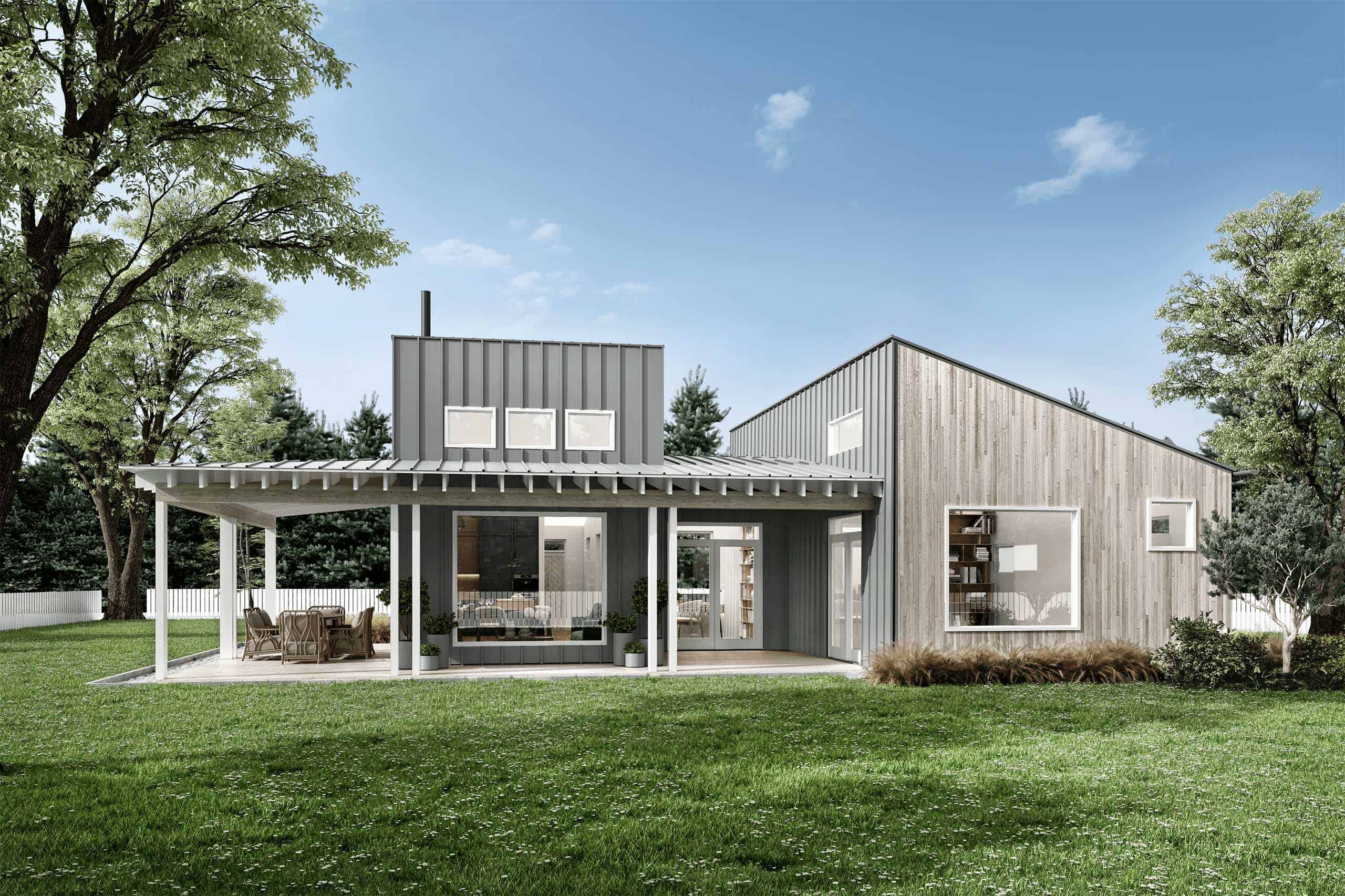
Small House Plans

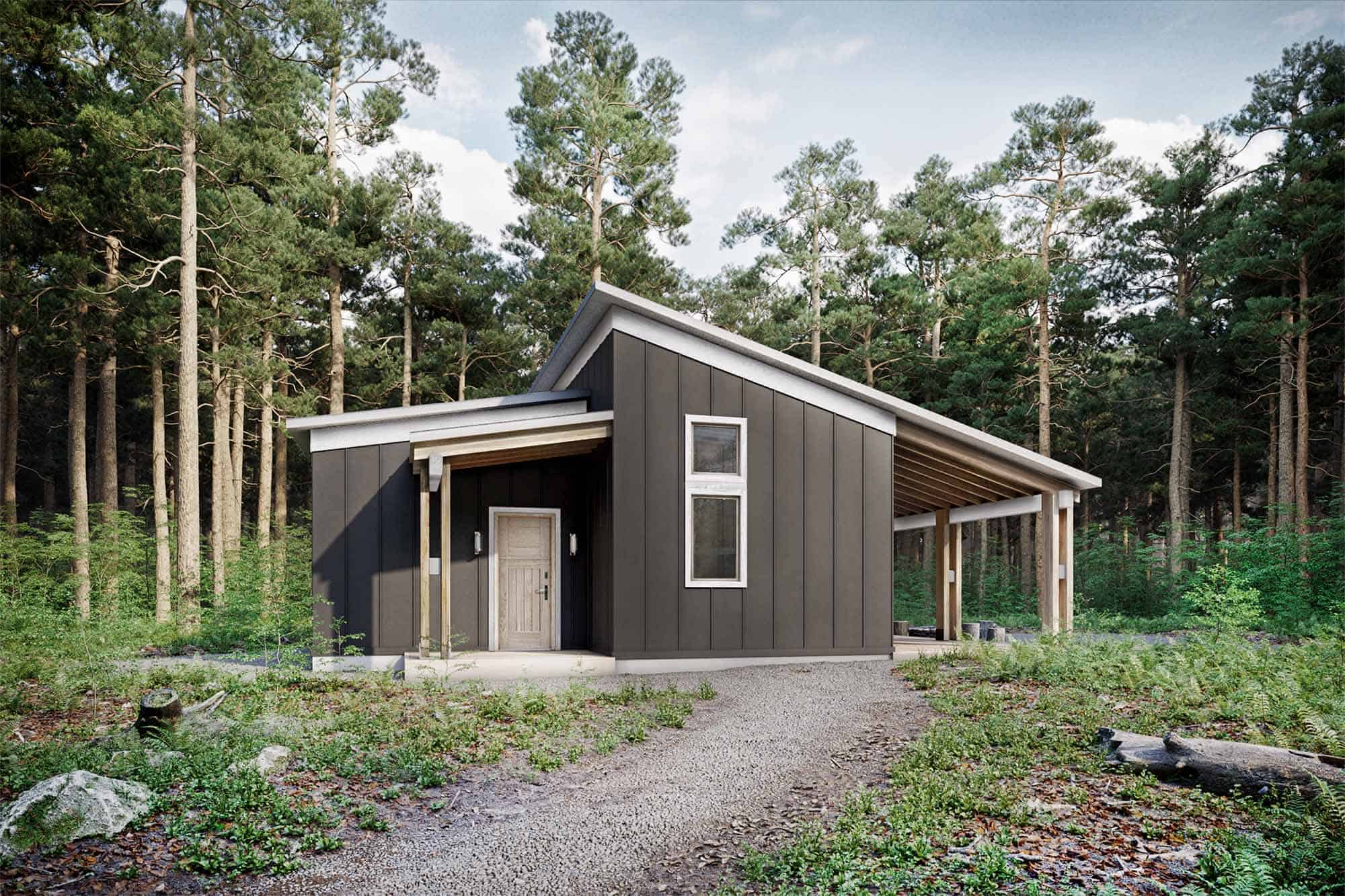
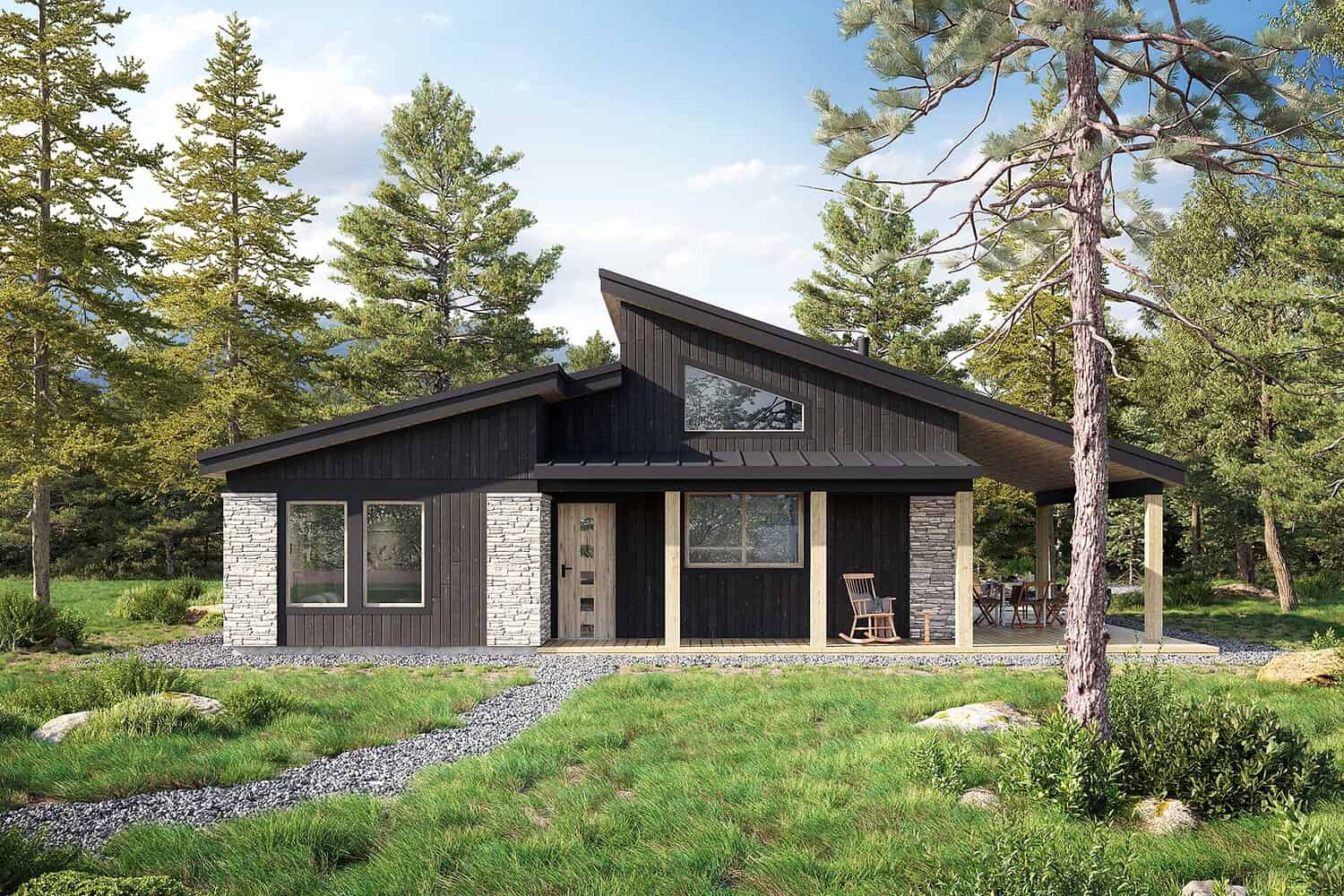
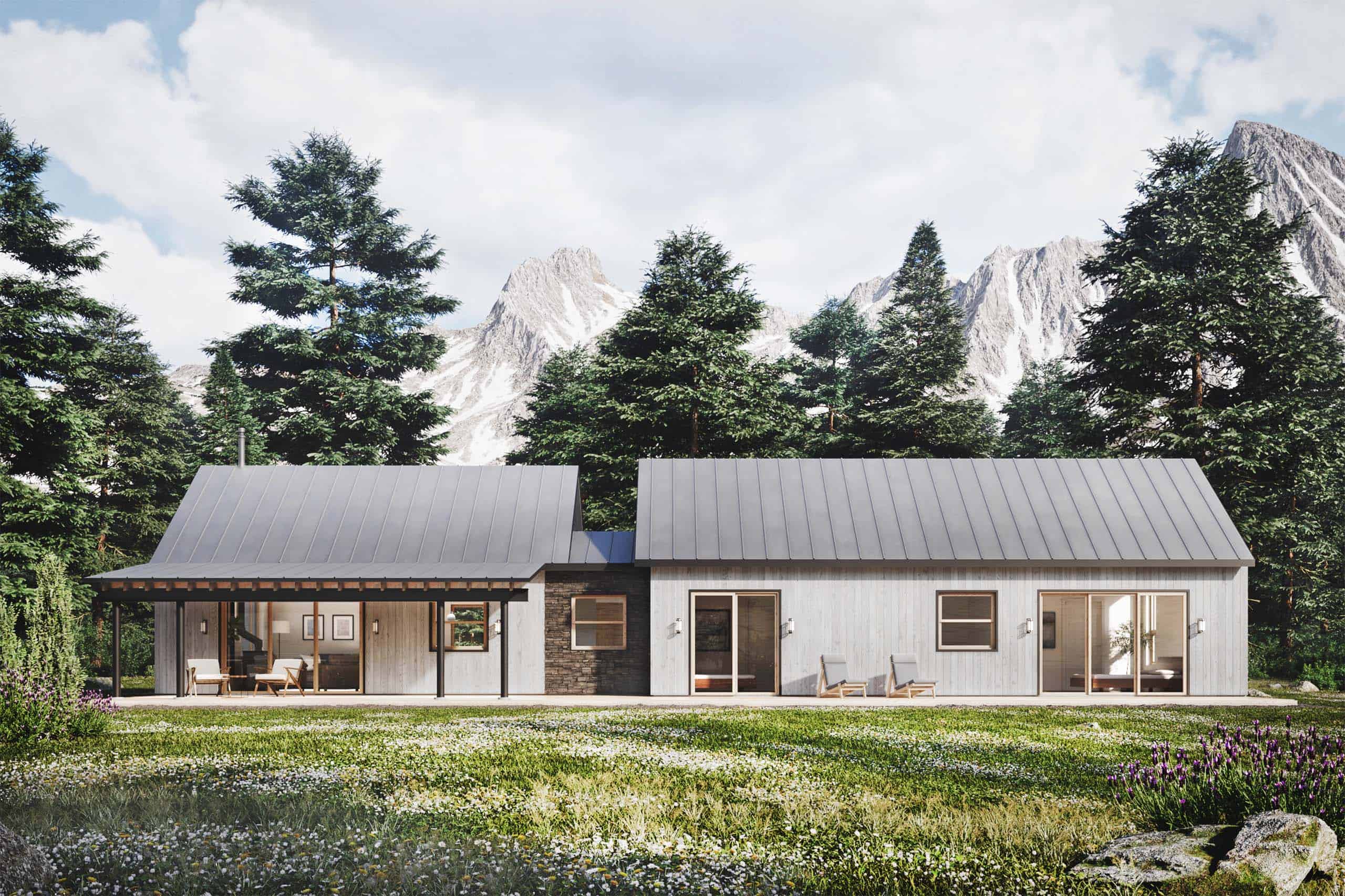
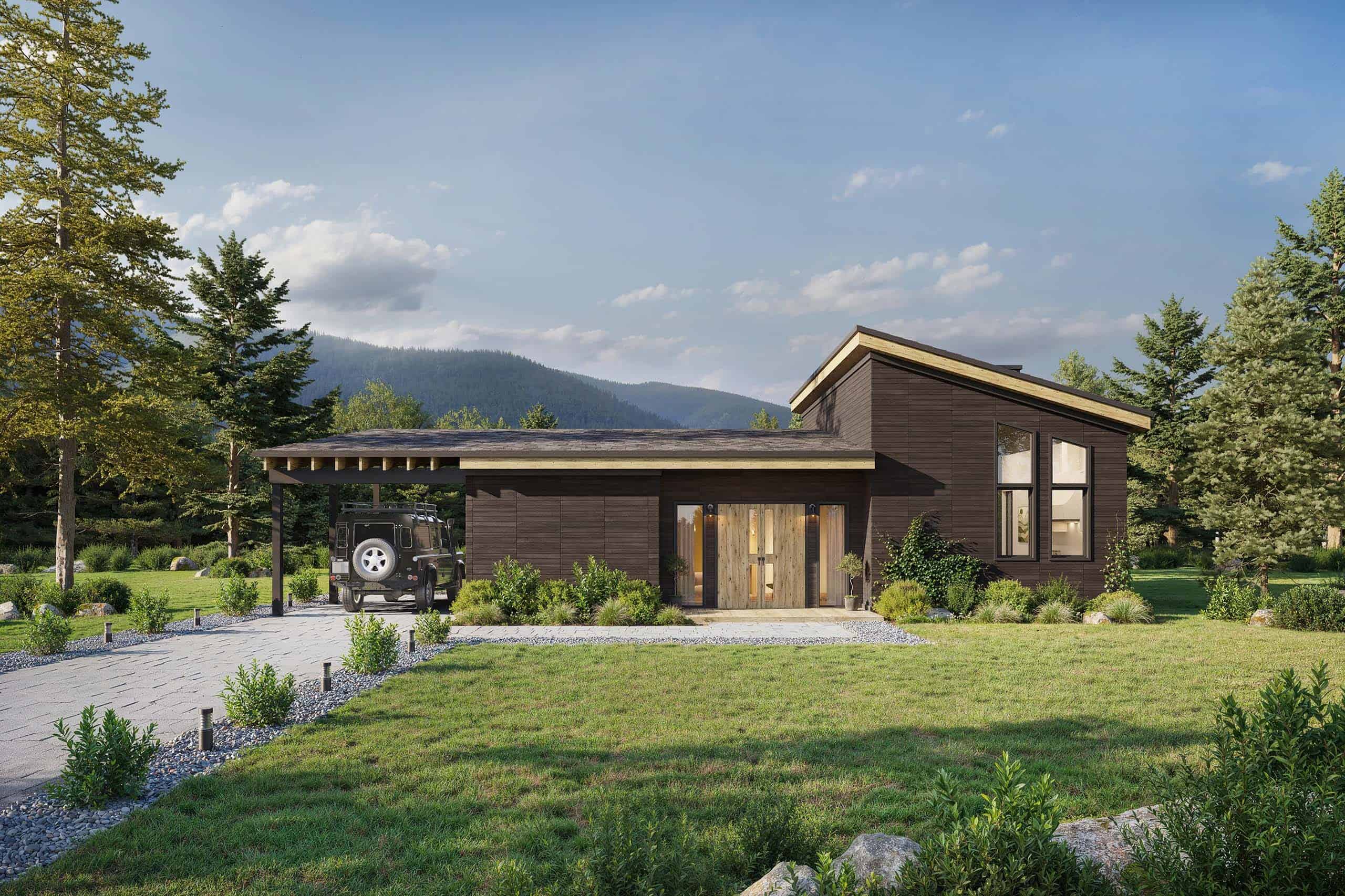
Looking for efficient home designs that maximize every square foot? Discover small house plans under 2,000 sq ft featuring smart layouts, open floor concepts, and functional living spaces. From cozy 2-bedroom starter homes to spacious 3-bedroom family plans, our collection combines affordability, style, and practical design elements.

Small house plans for every lifestyle

Whether you're building your first home or downsizing, there's a small house plan designed for your specific needs. Small houses are defined as homes under 2,000 square feet, and they range widely - from compact cottages under 500 sq ft to comfortable family homes approaching 1,500 sq ft.

Prioritizing efficient layouts in small homes maximizes usable space, and many designs prove that living with a smaller footprint doesn't mean sacrificing comfort.

Starter home and young family plans

For today's homeowners entering the market, small two-bedroom homes typically range from 800 to 1,200 sq ft, offering the perfect balance of affordability and functional living space. These starter home designs feature 2-3 bedrooms with efficient layouts that make the most of every square foot.

Open-concept layouts create a feeling of larger space in small homes, combining kitchen, dining, and living areas into seamless, light-filled zones. Many designs include covered porches for extended outdoor enjoyment and energy efficient features that keep utility bills low from day one.

Small house plans often cost 25% less to construct than larger homes, making them an accessible path to homeownership. Architectural styles range across ranch, cottage, and modern farmhouse - each offering clean lines and rustic charm depending on your preference. The average 3-bedroom house in the U.S. is about 1,300 square feet, proving that compact designs can comfortably accommodate a growing family.

Downsizing and retirement plans

Single-story designs between 1,000 and 1,500 sq ft serve homeowners looking to simplify without compromise. These plans emphasize master suites on the main level with accessibility features such as 36-inch doorways, zero-threshold showers, and wider hallways - future-proofing considerations that are important when designing small homes.

Flexible space design adapts to changing family needs over time, with bonus rooms easily converting between home offices, hobby spaces, or guest bedrooms. Reduced maintenance costs are a key benefit of small houses, and single-level living eliminates stair-related concerns entirely.

Covered outdoor living areas extend seasonal usability, while low-maintenance exteriors in fiber-cement or vinyl siding minimize upkeep demands. Small homes require less energy to heat and cool, and homeowners save significantly on building costs and utilities year after year.

ADU and guest house plans

Accessory dwelling units and guest house plans between 400 and 800 sq ft deliver independent living in a compact package. These small home plans include complete kitchenettes, full bathrooms, and separate entrances - everything needed for a self-contained in-law suite or granny flat.

Tiny homes typically range from 100 to 500 square feet, while slightly larger ADU designs provide more space for comfortable long-term occupancy. Connecting outdoor living spaces extends usable living area in small homes, and strategic backyard placement keeps these units both private and accessible.

Rental income potential makes ADUs a smart investment, while multi-generational living benefits keep families close. Customizable small house plans can suit narrow or compact lots, ensuring zoning compliance and neighborhood integration. Many small homes include multi-purpose rooms for efficiency, and ADU designs take this principle to its most refined expression.

Choose the right small house plan for your property

The perfect small home plan complements your lot size, budget, and local building requirements. Property characteristics - width, slope, orientation, and setback restrictions - fundamentally shape which house plan will work best.

For narrow lots

Narrow lots under 35 feet wide demand thoughtful small house design. Plans targeting 20-35 foot wide footprints maximize limited street frontage through two-story layouts that build upward rather than outward, taking full advantage of vertical space.

Side-entry garages preserve curb appeal while strategic window placement ensures privacy from neighboring structures. Many prefab and panelized designs target units approximately 10-14 feet wide, fitting within tight building envelopes common in urban infill projects.

Open layouts on the ground floor prevent narrow homes from feeling cramped, while stacked wet zones - aligning kitchen, bathroom, and laundry plumbing vertically - reduce construction costs. These designs integrate naturally into established neighborhoods, meeting setback and massing requirements that many jurisdictions are now relaxing to encourage housing diversity on compact lots.

For rural and large properties

Sprawling single-story designs with extensive porches and outdoor connections suit rural and large properties perfectly. These plans embrace country, modern farmhouse, and cabin architectural styles that feature natural materials like wood, stone, and standing-seam metal roofing.

Outdoor spaces such as patios and decks provide seasonal living areas, and wide wraparound porches blur the boundary between indoors and nature. Detached garages, workshops, and storage buildings complement the main house without crowding the footprint.

Landscape harmony drives the design philosophy - positioning the home to capture views, orient toward sunlight, and respect the natural terrain. Rustic charm meets modern efficiency in floor plans that maintain open, airy interiors while offering the privacy and independence that rural property affords.

For sloping lots

Sloping sites unlock unique design opportunities through walkout basement plans and split-level configurations. Daylight basement designs add significant living space by exposing lower-level walls to natural light through full-height windows on the downhill side. Retaining wall integration and careful grading considerations are essential to managing water drainage and structural loads.

Hillside building strategies often include partially exposed lower levels, exterior stairs and terraces integrated into the grade, and foundation options ranging from full poured concrete to pier systems depending on soil conditions. These plans transform challenging topography into one of the biggest advantages - creating multi-level homes with dramatic views and distinct living zones.

For budget-conscious builders

Simple rectangular footprints minimize construction complexity and cost. Standard ceiling heights, basic rooflines, and efficient framing techniques keep material and labor expenses predictable. Small homes are cheaper to build than larger homes, and tiny homes typically cost less than $100,000 to build, making homeownership achievable even with modest budgets.

Small house plans typically range from under 500 to 1,500 square feet, with construction hard costs running approximately $160-$350+ per square foot depending on region and finish level. A 1,000 sq ft home might cost $180,000-$320,000, while a compact 600 sq ft design could come in around $150,000-$240,000.

Cost-saving material selections and straightforward construction methodologies help budget-conscious builders reach their dream home without overextending finances. Building small homes reduces energy bills significantly, compounding savings over the life of the home.

Essential features that maximize small spaces

Smart design elements transform compact square footage into a comfortable, functional living environment. In smaller spaces, every decision carries outsized impact - from ceiling height to window placement to storage integration.

Open floor plans and natural light

Open floor plans enhance family interaction and natural light flow by removing walls between living areas to create a multi-purpose zone. Great rooms combining kitchen, dining, and living areas are the backbone of modern small house plans, allowing sight lines from the entry through to rear windows or outdoor spaces. Strategic sightlines contribute to space optimization in small house plans, pulling the eye through the home and creating a sense of expansive living.

Vertical design elements like vaulted ceilings enhance small house plans dramatically - cathedral ceilings with exposed beams add visual height that standard 8- to 9-foot ceilings cannot match. Incorporating large windows enhances natural light and the connection to outdoors, while skylights and clerestory windows introduce illumination from above.

Natural light makes homes feel larger and more inviting, and south-facing exposure (in the Northern Hemisphere) provides passive solar warmth and daylight when properly shaded. High ceilings combined with large windows create stylish living spaces that belie their modest square footage.

Smart storage solutions

Creative storage solutions are essential in compact living spaces. Effective use of built-in storage solutions prevents clutter in small homes - under-stair compartments, built-ins within knee-walls of vaulted roofs, platform beds with drawers, and window seats with hidden storage all maximize storage without consuming floor area.

Multifunctional spaces maximize every square foot in small house plans. Mudrooms doubling as laundry areas, kitchen islands with integrated shelving, and garage storage systems keep belongings organized and accessible. Utilizing vertical storage maximizes space in small home designs, turning wall height into an asset rather than wasted volume.

Designing for optimal furniture fit is important in small living areas, ensuring that every piece serves both aesthetic and practical purposes. Staging rooms as dual-purpose areas increases functionality - a guest bedroom with a built-in desk becomes a home office when not hosting visitors.

Energy-efficient design

Small homes require less energy to heat and cool, making them naturally aligned with sustainable living goals. High-performance windows, superior insulation, and right-sized HVAC systems deliver comfort without excess energy consumption. Solar panel readiness and energy-efficient appliance spaces prepare homes for future upgrades, while passive solar orientation and natural ventilation strategies reduce mechanical dependency.

Building small homes reduces energy bills significantly - the reduced environmental impact of heating, cooling, and maintaining fewer square feet compounds over decades. Long-term utility savings and lower maintenance costs make small homes a compelling investment, and tightening energy codes across many jurisdictions are making these features standard rather than premium. The smaller footprint inherently reduces embodied carbon per resident, further lowering environmental impact.

Outdoor living extensions

Outdoor spaces such as patios and decks provide seasonal living areas that effectively extend the home beyond its walls. Connecting outdoor living spaces extends usable living area in small homes, and a well-designed covered porch or deck can function as dining room, lounge, or workspace during favorable weather.

Wide porches, screened rooms, and integrated patios blur indoor-outdoor boundaries. For small living spaces, this connection to the outdoors is especially valuable - it provides the breathing room that the interior square footage alone may not deliver. Many designs include covered porches as standard features, reinforcing the relationship between compact interiors and generous outdoor living.

How to customize your small house plan

Personalization transforms standard plans into homes perfectly suited to your lifestyle and property. Small house plans can be customized to fit unique needs, and customizations can include adjusting room sizes and maximizing storage, changing architectural style, or adapting the plan to specific lot conditions.

Plans can be modified at an additional cost. Truoba handles minor, medium, and major changes including room additions, layout changes, and exterior redesigns. No upfront payment is required and the first draft is returned within 48 hours.

Minor modifications

Minor adjustments refine a plan without altering its fundamental structure. Window relocations, door swing changes, and fixture adjustments are common requests that improve how a home lives day to day. Cabinet configurations, closet layouts, bathroom upgrades, electrical outlet additions, and lighting modifications all fall within this category.

These quick changes address personal preferences - swapping a window for more wall space, adjusting a door swing for better furniture placement, or relocating a fixture for improved traffic flow. Truoba handles minor changes with fast turnaround, letting builders and homeowners fine-tune their plans efficiently.

Major renovations

Larger modifications reshape a plan more substantially. Room additions, complete layout reconfigurations, and exterior redesigns allow a small home plan to adapt to challenging lots or evolving family needs. Garage additions, porch expansions, second-story additions, and architectural style changes - from modern farmhouse to contemporary clean lines - fall within this scope.

An additional bedroom, a dedicated home office, or a law suite for aging parents can be incorporated with professional architectural support. Medium modifications such as moving interior walls, changing kitchen layouts, or adding small bump-outs require structural review but remain straightforward within Truoba's comprehensive modification services.

These options help homeowners assess whether an existing plan can adapt to their specific lot, budget, or lifestyle - often at far lower cost than commissioning fully custom architectural drawings.

Shop small house plans online

Explore our collection of small house floor plans designed for comfortable living at every scale. Each plan ships as a complete PDF construction set including foundation, floor plans, roof, plumbing, electrical, HVAC, and elevation drawings - ready for permit submission and contractor use.

Browse by square footage, bedroom count, architectural style, and lot requirements to find the perfect choice for your property and budget. Whether you need a compact starter home, a single-story retirement retreat, or a versatile ADU, our small home designs combine open concept designs, innovative storage solutions, and energy efficient features that deliver more space from fewer square feet.

Many small house designs feature open concepts and multi-purpose rooms, and small house plans often include built-in storage solutions - giving you a home that works harder and lives larger than its footprint suggests. With modification services available and professional architectural support behind every plan, your dream home starts with finding the right design and making it yours.