Concrete vs Pavers: Which Paving Option Is Better?
Choosing between concrete and pavers affects installation costs, long-term durability, maintenance requirements, and design flexibility. The right material depends on your budget, climate conditions, aesthetic preferences, and how much control you want over repairs and customization.
Below is a comprehensive comparison of concrete vs paver installations.
Concrete vs Pavers: Key Differences
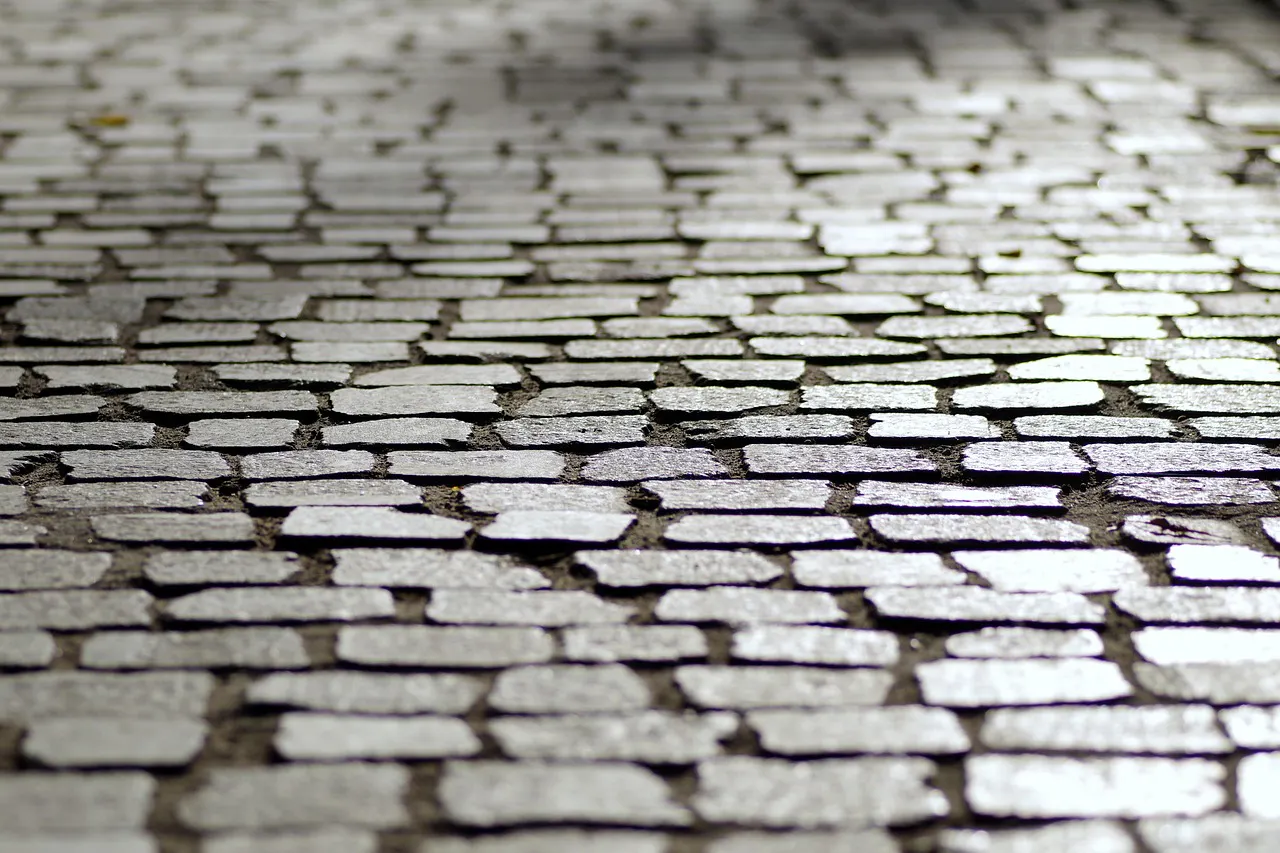
The core distinction is structural: poured concrete creates a continuous, rigid slab, while pavers are individual paving stones installed over a prepared base with sand-filled joints.
- Concrete offers a lower upfront cost but limited flexibility when repairs are needed. A crack in a typical concrete slab often means patching or replacing an entire section.
- Pavers provide superior modularity. You can replace individual pavers without disturbing the surrounding area, making long-term upkeep more manageable.
- Both materials can produce visually appealing outdoor spaces, but they take fundamentally different approaches to durability, design, and maintenance.
Understanding pavers vs concrete at this structural level is essential before comparing pavers and concrete on cost, longevity, or appearance.
Cost Considerations
Initial investment and long-term expenses vary significantly between concrete and pavers.
Concrete Costs
Concrete typically has a lower initial cost than pavers. Basic broom-finish concrete costs $6 to $15 per square foot installed, including materials and labor. Concrete installation adds $3 to $5 per square foot for labor alone.
Decorative options raise the price considerably. Stamped concrete or stained concrete finishes run $15–$22 per square foot, and exposed aggregate or polished surfaces can push costs even higher. A decorative concrete patio in San Diego, for example, ranges from $14–$22 per square foot for exposed aggregate alone.
Beyond installation, concrete needs sealing every 2–3 years to maintain appearance and resist moisture infiltration. Over 25 years, maintenance for a 576 sq ft driveway can total $2,600–$6,900-a figure many homeowners underestimate at the outset.
Paver Costs
Pavers cost $10 to $30 per square foot installed, depending on material quality and pattern complexity. Pavers require $7 to $13 per square foot for installation labor, with material costs ranging from under $0.50 per square foot for basic concrete pavers to $20+ for premium natural stone pavers or porcelain units.
The higher initial cost is offset by significantly lower maintenance expenses over time. Pavers are more cost effective over time due to lower maintenance-the same 576 sq ft driveway may incur only $1,500–$3,300 in maintenance over 25 years.
You can also replace individual pavers rather than tearing out an entire concrete slab, which eliminates costly repairs for isolated damage.
Pavers generally offer better long-term value than concrete, especially when lifecycle costs are factored across a 20–30 year ownership period.
Durability and Longevity
Material strength and weather resistance determine long-term performance.
Concrete Durability
Concrete has a compressive strength of 2,500–3,000 PSI under standard residential conditions.
While adequate for many applications, this rigid slab structure is vulnerable to cracking from shrinkage, thermal movement, and ground shifting.
Freeze thaw cycles are particularly damaging. Research published in MDPI documents how repeated freezing and thawing causes surface scaling, internal microcracking, and progressive loss of load capacity. Deicing salts accelerate this deterioration.
A typical concrete slab lasts 25–30 years under favorable conditions, but in harsh weather or with minimal proper maintenance, lifespan can drop to 15–20 years.
When a concrete slab fails, repairs often require full section or complete replacement-a disruptive and expensive process.
Paver Durability
Pavers have a compressive strength of at least 8,000 PSI-meaning pavers can withstand up to four times the pressure of concrete.
This superior strength, combined with their modular design, makes durability pavers' greatest advantage over poured concrete.
Pavers allow for expansion and contraction without cracking. When ground movement occurs, individual pavers shift slightly rather than fracturing across the entire surface.
Water absorption by quality pavers stays below 5%, which minimizes freeze damage in cold climates.
Pavers are less likely to crack than concrete in harsh weather. With proper maintenance, paver installations routinely last 30–50 years, and some properly maintained systems exceed 75 years.
Because you can lift and reset displaced units, the functional service life extends even further. Pavers can last for decades with proper maintenance and occasional attention to base conditions.
Maintenance and Repair Requirements
Ongoing care and repair complexity affect long-term ownership costs.
Concrete Maintenance
Concrete needs sealing every 2–3 years to maintain appearance, resist staining, and prevent water infiltration. Crack monitoring is essential-hairline concrete cracks may be filled, but major failures require patching or repouring for repairs.
Repairing concrete presents a persistent aesthetic challenge: matching the color and texture of new patches to the weathered concrete surface is extremely difficult. Repairs are often visible, creating an uneven, patchwork appearance that detracts from the overall look. Over 15–25 years, many concrete surfaces require resurfacing or overlay treatments, adding further cost and disruption.
Concrete requires less frequent maintenance compared to pavers on a routine basis, but when problems arise, the repair costs and complexity are substantially greater.
Paver Maintenance
Pavers are easier to repair than concrete. The process is straightforward: lift the affected units, correct the base beneath if settled, and re-lay replacements. Easier repairs mean many homeowners handle spot fixes with basic tools and readily available tutorials.
Paver maintenance includes occasional polymeric sand reapplication to stabilize joints and control weed growth. Sealing is optional but recommended every 3–5 years for stain resistance and color protection. Pavers require occasional leveling every decade or so to address any base settlement.
The key advantage: repairs maintain the original appearance. You can match pavers precisely because replacements are manufactured units, not poured patches. This preserves both the aesthetic appeal and the structural integrity of the surface.
Design and Appearance Options
Aesthetic flexibility and customization capabilities vary considerably between materials.
Concrete Design Options
Concrete provides a uniform appearance with limited design options in its basic form-typically a gray, broom-finished surface. Color can be added through integral pigments or topical stains, but the palette remains relatively narrow compared to pavers.
Stamped concrete expands the possibilities, mimicking brick, stone, and even wood textures through patterns pressed into the fresh slab. Decorative stamping and decorative concrete finishes look impressive initially, but colors and surface textures fade over time unless protected with regular sealing and reapplication.
Exposed aggregate reveals stone chips on the concrete surface for added visual interest, while polished concrete offers a sleek, contemporary look. Both require higher ongoing maintenance to preserve their appearance.
Paver Design Options
Pavers offer a wide range of colors and patterns that concrete simply cannot match. Available in concrete pavers, brick pavers, clay, natural stone (granite, travertine, slate), and porcelain, paver patio installations deliver unmatched variety in shapes, textures, and color palettes.
Pavers can create intricate patterns and unique designs-herringbone, running bond, basket weave, circular layouts, and mixed-size compositions with border accents. Pavers can be customized to match any home aesthetic, from rustic to contemporary.
Pavers maintain their color better over time than concrete because pigment is often integrated throughout the full thickness of each unit. Chips or surface wear reveal the same color beneath, preserving the look for years.
Another practical advantage: pavers can often be walked on immediately after installation. A new patio built with patio pavers is functional the same day, whereas poured concrete typically requires 7+ days for full curing before heavy use.
Installation Process
Installation methods affect project timeline and weather dependencies.
Concrete Installation
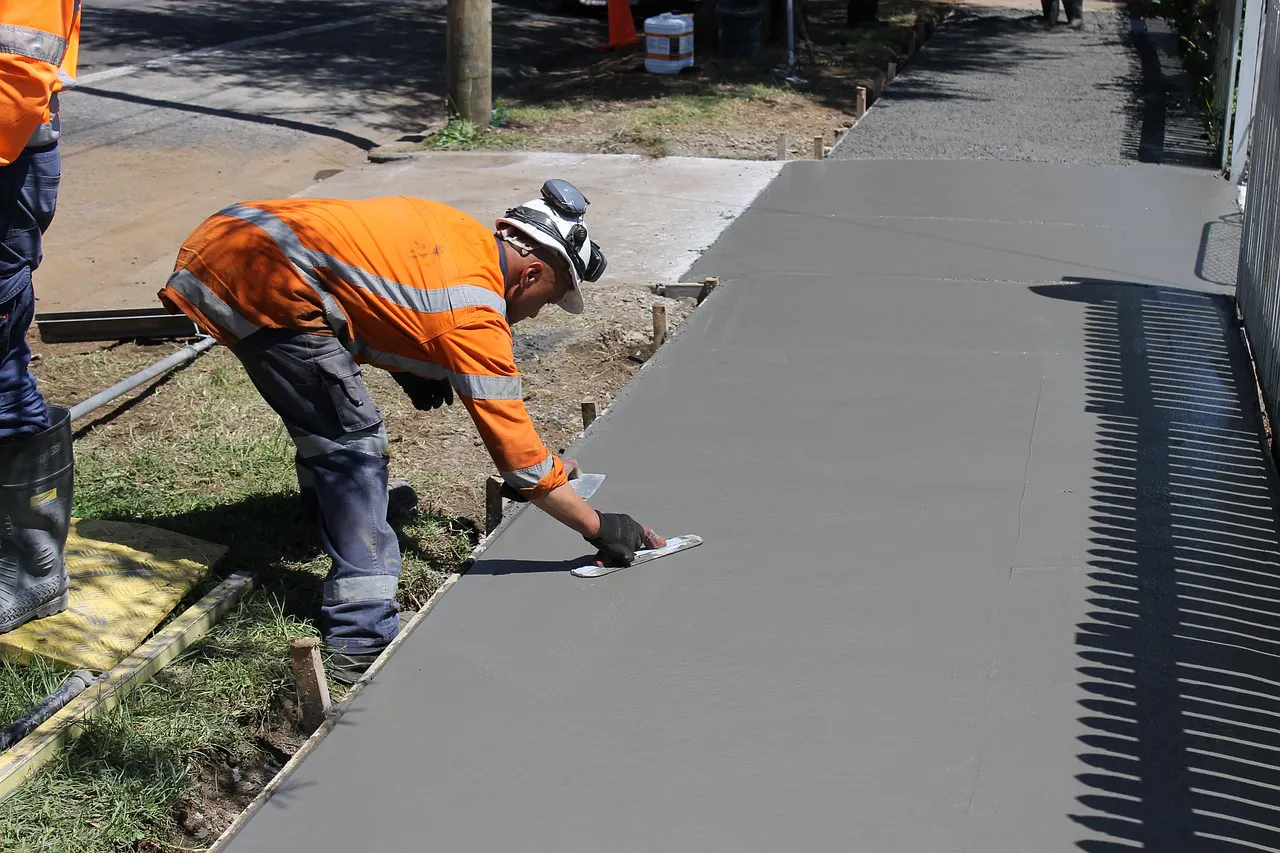
Concrete installation involves mixing and pouring the material into prepared forms over a compacted base. The installation process includes excavation, base preparation (compacted gravel), forming, reinforcing with rebar or wire mesh, pouring, finishing, and curing. Control joints must be placed strategically to prevent random cracking from shrinkage and temperature changes.
Weather sensitivity is a significant factor. Cold temperatures delay curing and increase freeze damage risk. Hot weather causes rapid moisture evaporation that weakens the mix. Rain can mar the finish entirely. These weather conditions create scheduling uncertainty.
While the pour itself is relatively fast, full curing to design strength takes approximately 28 days. Light foot traffic is typically possible after 24–48 hours, but driveways and heavy-load areas need extended curing time. You can use a concrete calculator to estimate material quantities before your project begins.
Paver Installation
Paver installation is more time-intensive than pouring concrete. Pavers are placed individually and require careful site preparation-excavation, compacted aggregate base, sand bedding layer, edge restraints, individual unit placement, polymer sand joint filling, and surface compaction. Proper slope and drainage planning is crucial for long-term performance.
Installing pavers requires more labor than poured concrete, with cutting needed for edges and curves and careful alignment essential throughout. Paver installations typically take longer to complete than concrete-often several days for a standard driveway or patio.
However, once laid, pavers are immediately usable. No curing period means the new patio or driveway is functional from day one. A road base calculator can help with estimating sub-base material needs for proper planning.
Climate and Weather Considerations
Climate often determines which material performs better in practice.
Freeze thaw cycles affect concrete more severely than pavers. A rigid concrete slab traps moisture internally, and repeated freezing causes scaling, spalling, and structural cracking.
Pavers, with their jointed design, allow moisture to drain through gaps and accommodate frost heave movement without fracturing.
Drainage capabilities differ significantly. Paver joints-or dedicated permeable paver systems-allow water infiltration, reducing standing water and runoff.
Poured concrete is essentially impermeable unless specially treated, which can exacerbate moisture retention and frost heave risk beneath the slab.
Salt exposure from deicing chemicals in northern climates accelerates concrete surface degradation. Pavers generally handle deicing exposure better, though joint sand still requires periodic maintenance.
In hot climates, concrete experiences thermal expansion that stresses control joints and can cause discoloration.
Pavers absorb thermal movement through their flexible joint system. Slip resistance in wet conditions is also worth considering-textured pavers typically offer better traction than smooth-finished concrete surfaces.
For cold regions with harsh weather, many homeowners choose pavers for their superior freeze-thaw resilience. In mild climates, either option performs well, and the decision often comes down to budget and aesthetic appeal.
Property Value and Resale Impact
Outdoor projects with quality hardscaping directly influence property value and buyer perception.
Pavers retain their visual impact longer and are widely perceived as a premium upgrade. Real estate professionals frequently cite well-maintained paver installations-driveways, walkways, a paver patio-as features that enhance curb appeal and attract buyer interest. Natural stone pavers and carefully designed patterns signal quality and care to prospective buyers.
Concrete surfaces with visible cracks, stains, or patchwork repairs can detract from resale value and suggest deferred maintenance. While a fresh concrete patio looks clean initially, the appearance degrades faster without consistent upkeep.
From a long term value perspective, pavers often deliver a better return despite their higher cost. Homeowners planning to stay 10–30 years typically find that pavers' lower lifetime maintenance costs and sustained aesthetic appeal make them the more cost effective investment for overall property marketability.
Concrete vs Pavers: Which Should You Choose?
Choose concrete if you're working with a tight budget, covering a large area, and need a functional surface without premium aesthetics.
Concrete initially costs less per square foot and installs quickly-making it practical for outdoor projects where economy is the primary concern. A basic concrete patio or driveway serves well in mild climates with proper maintenance.
Choose pavers if you prioritize long term benefits: better durability, design flexibility, easier repairs, and stronger resale value.
Pavers are the right material for homeowners willing to invest more upfront in exchange for a highly durable surface that looks better and costs less to maintain over decades.
In cold climates with freeze thaw cycles, pavers are the clear performance winner.
Consider your local climate, soil conditions, landscape design goals, and aesthetic preferences before deciding.
Comparing pavers and concrete across all these factors-not just initial cost-leads to smarter, more satisfying outdoor projects.
Use ViSitemap's concrete calculator and road base calculator to estimate material needs and plan your project with confidence.