7 Best House Plans for First-Time Builders: Smart Designs That Make Construction Easy
Building your own home is an exciting journey-until you realize the wrong house plan can blow your budget, stall your timeline, and turn a dream home into a stress spiral. Most first time builders don't struggle with motivation. They struggle with picking a design that's actually buildable within their means. Complex rooflines, oversized square footage, and trendy architectural details look great on paper but punish you on the job site.
This guide cuts through the noise. We'll walk you through seven proven home plans that keep the construction process manageable, costs predictable, and results worth the investment. Whether you're building your own home as a custom home project or a starter property, choosing the right plan makes all the difference.
How We Chose the Best House Plans for First-Time Builders
We evaluated dozens of home designs against six criteria that matter most when you're new to building:
- Construction simplicity. Plans with straightforward framing, minimal complex details, and simple rooflines reduce building costs and complexity. First-time builders prioritize simple rectangular footprints for cost efficiency.
- Cost efficiency. Designs that minimize material waste and labor overhead. The national average construction cost sits around $162 per square foot excluding land, so every unnecessary complication chips away at your budget.
- Builder-friendly features. Standard dimensions (8- or 9-foot ceilings, standard window modules), logical layouts, and efficient plumbing runs that any competent crew can execute.
- Long-term value. Floor plans that balance affordability with long term livability and resale potential-not just what's cheapest to build today.
- Size appropriateness. While the average new U.S. home is around 2,400–2,500 sq ft, most first-time projects land under 2,000 sq ft for better cost control. Smaller house plans are ideal for first-time builders.
- Proven track record. Stock house plans reduce risk for builders and homeowners alike-these plan types have established success records with fewer change orders and delays.
Top 7 House Plans for First-Time Builders
1. Small Ranch Plans (1,200–1,600 sq ft)
Ranch-style homes are single-story designs, and they remain the go-to recommendation for anyone building their first house. Everything happens on one level-framing, plumbing, electrical, HVAC-which dramatically simplifies every trade's scope of work. Ranch homes are ideal for first-time builders because they strip away the complexity that causes delays and cost overruns.
Why It Stands Out
Single-story living is cost-effective for framing and roofing. You avoid floor system engineering, load transfer calculations between levels, and staircase construction entirely. Ranch-style homes simplify construction with fewer structural requirements, and their layouts often feature open floor plans that connect a great room, dining room, and kitchen without unnecessary partitions.
Best For
Young couples, small families, budget-conscious builders, and anyone prioritizing accessibility. Single story homes offer superior long-term accessibility-no stairs to navigate as you age.
Key Strengths
- Simple foundation and framing requirements with a compact footprint
- No stairs to construct, reducing complexity and cost
- Easier plumbing and electrical runs on a single level
- Lower roofing costs due to single-level structure
- Ranch-style homes typically have a compact footprint, keeping foundation costs manageable
Possible Limitations
- Requires a larger lot footprint than two-story designs
- May feel smaller than actual square footage suggests without careful space planning
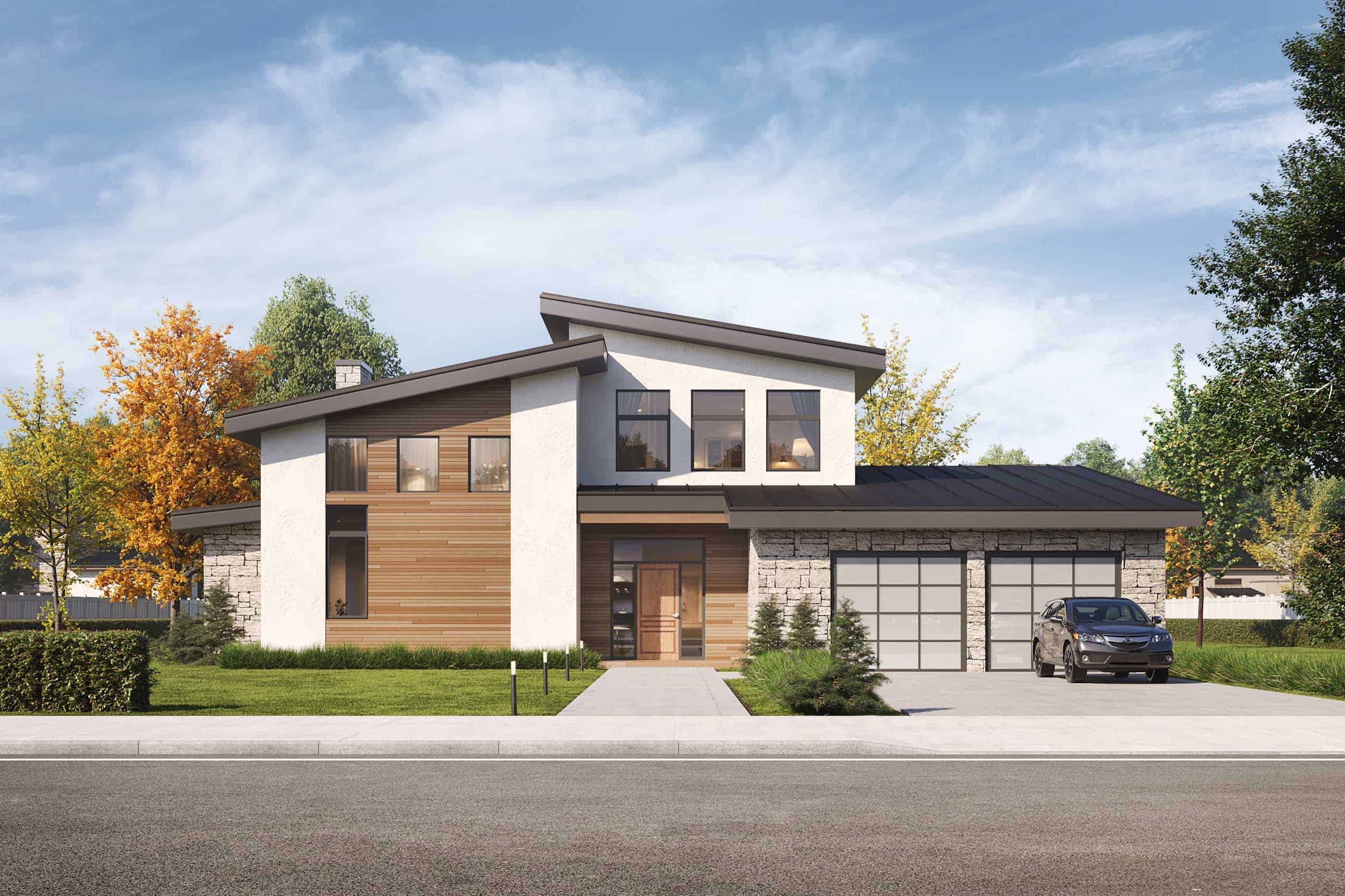
2. Simple Two-Story Plans (1,400–1,800 sq ft)
A basic two-story with a rectangular footprint gives you more living space without demanding a massive lot. The first floor typically holds common areas while the second floor houses bedrooms-a natural separation that families appreciate.
Why It Stands Out
For the same square footage, two-story home plans require less foundation area and less roof coverage. According to cost comparisons in Central Pennsylvania, ranch homes run $220–$300 per sq ft while two-story equivalents come in at $200–$280-a real difference on larger builds. The main floor handles daily life while the second floor provides quiet sleeping zones.
Multi-generational floor plans accommodate several family generations together, and simple two-story designs can support this well. The demand for multi-generational homes is increasing due to rising housing costs. These plans often include private main-level suites for independence, and multi-generational homes provide built-in support for aging parents and young adults. Some even feature separate entrances and dual living areas.
Best For
Growing families needing three bedrooms or more on smaller lots, and those considering future needs like a home office or media space on the second floor.
Key Strengths
- Maximizes living space on smaller lots
- Natural separation between living and sleeping areas
- Cost-effective use of foundation and roof per square foot
- Standard 16-foot construction modules simplify material ordering
Possible Limitations
- More complex framing than ranch plans, including floor systems and load transfers
- Requires staircase construction, adding labor and cost
3. Open-Concept Cottage Plans (800–1,200 sq ft)
The cozy cottage is the ultimate small house strategy. Open concept layouts eliminate unnecessary walls, creating open living spaces that feel far larger than the actual square footage. Cottage house plans prioritize efficiency and low maintenance, making them a clean canvas for first time buyers who want quality over quantity.
Why It Stands Out
Open floor plans eliminate unnecessary walls for spaciousness. They simplify construction by reducing framing complexity-fewer walls means less framing lumber, less drywall, and shorter mechanical runs. These layouts maximize natural light in living spaces, especially when combined with large windows and an open layout that allows light to travel across the entire plan.
Over half of today's buyers prefer smaller homes with high-quality features over sprawling, generic builds. A well-executed small house plan maximizes every square inch, and smaller homes lead to reduced home management stress.
Best For
First time buyers, empty nesters, or minimalist builders who value efficiency. Also excellent for hosting guests-open floor plans are ideal for entertaining guests easily.
Key Strengths
- Fewer interior walls mean less framing and finishing
- Simplified electrical and HVAC layouts
- Lower material costs due to compact size
- Feels larger than actual square footage with a vaulted ceiling or cathedral detail
Possible Limitations
- Limited privacy between living areas
- Storage space may be minimal-plan walk in pantries or built-ins intentionally
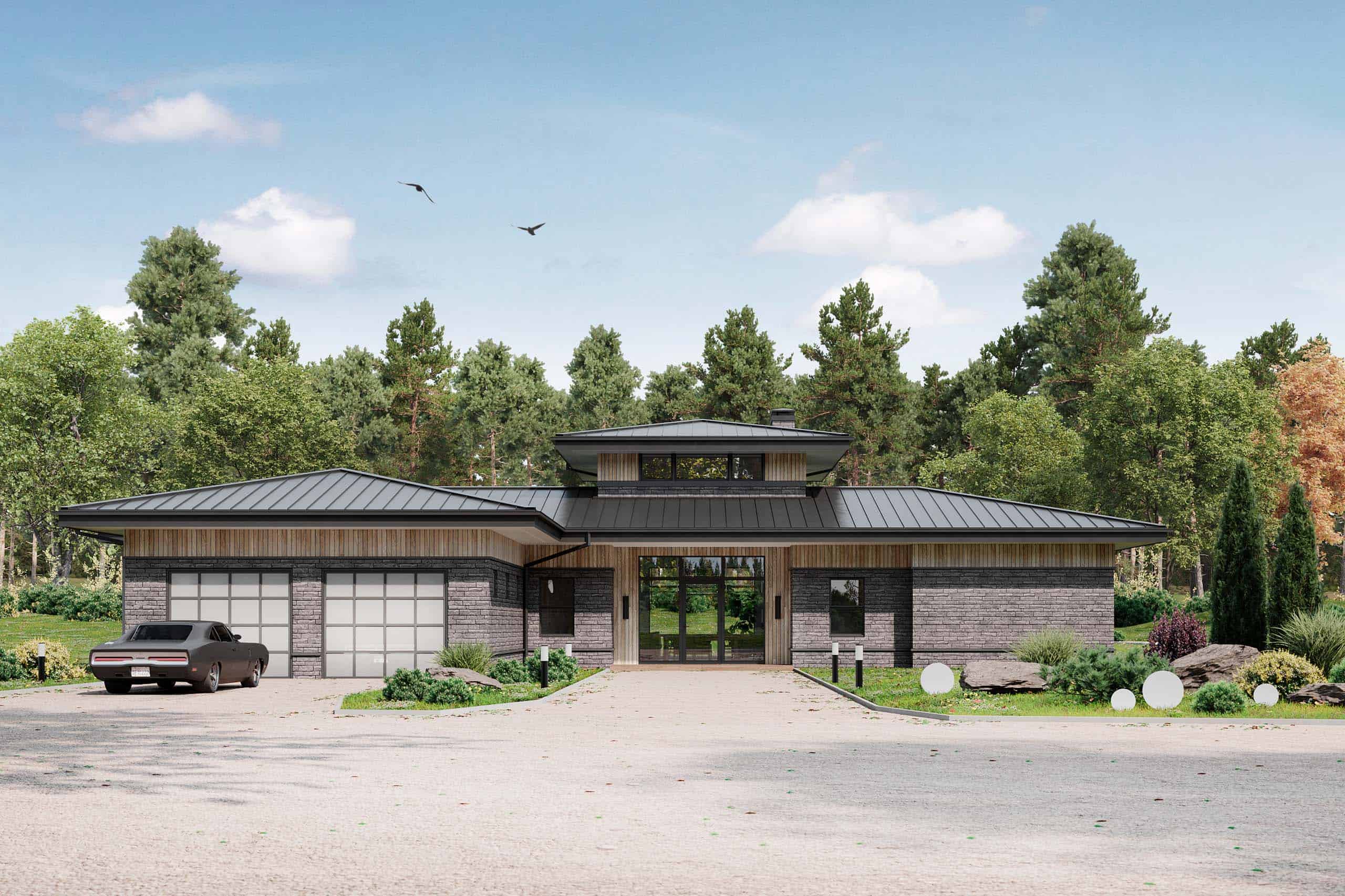
4. Modern Farmhouse Plans (1,500–2,000 sq ft)
Modern farmhouse plans deliver timeless curb appeal without requiring advanced building skills. The architectural style relies on simple gable rooflines, clean exterior design, and a mix of natural materials like board-and-batten siding and metal roofing accents. Traditional home styles combine curb appeal with modern open floor plans, and the modern farmhouse nails this balance.
Why It Stands Out
Simple rooflines reduce material waste and costs. A straightforward gable roof with consistent pitch eliminates the complex flashing, multiple valleys, and engineering that drive roofing costs up 20–50%. Use ViSitemap's Roof Pitch Calculator to verify material needs before committing to a plan.
Main living areas should face North or South for consistent natural light-something to keep in mind when orienting your farmhouse on the lot. This approach lets you take advantage of natural light without excessive solar heat gain.
Best For
Builders wanting character without complex architectural details. This style attracts future buyers and holds resale value well, making it a strong choice if you're thinking beyond your first few years in the home.
Key Strengths
- Simple gable rooflines reduce complexity and use your roof pitch efficiently
- Popular style ensures good resale value and timeless exterior elevation
- Straightforward exterior materials and finishes, often using neutral tones
- Flexible interior layouts with flexible spaces that adapt over time
Possible Limitations
- May require more exterior finishing details (porch columns, decorative trim) adding to finish costs
- Higher cost than basic ranch or cottage plans due to size and architectural details
5. Split-Bedroom Ranch Plans (1,300–1,700 sq ft)
Split-bedroom designs take the simplicity of a ranch and add a strategic twist: the master suite sits on one side of the home while secondary bedrooms occupy the other, separated by common living space on the main floor.
Why It Stands Out
Split bedroom plans enhance privacy for parents and guests without adding a second story. These layouts reduce noise disturbances for better sleep-a genuine quality-of-life upgrade that costs almost nothing extra to achieve through smart layouts. Split bedroom designs create logical zones in the home, grouping wet areas (bathrooms, laundry) to reduce plumbing rough-in costs.
These plans are popular in ranch-style and single-story homes. Split bedroom layouts can adapt to various architectural styles, so you're not locked into one look.
Best For
Families with children or anyone frequently hosting guests who need privacy. The separated wings provide a perfect balance of togetherness and personal space.
Key Strengths
- Single-story construction simplicity maintained
- Natural noise separation between bedroom zones
- Efficient plumbing groupings reduce costs
- Appeals to a wide range of buyers at resale
Possible Limitations
- May require a larger lot than compact plans
- Slightly more complex than basic ranch layouts due to wing separation
6. Basic Two-Bedroom Plans (900–1,300 sq ft)
If budget is the primary constraint-or this is genuinely your first construction learning experience-a basic two-bedroom plan is the smartest starting point. Smaller house plans are less expensive to build, period. Compact layouts require fewer materials and are easier to maintain long-term.
Why It Stands Out
This is your lowest-risk entry point into building. Total material costs are minimal, construction timelines are the shortest (often under 6 months for simple designs), and the building process teaches you fundamentals without overwhelming complexity.
Best For
First-time builders on tight budgets, anyone building investment properties or rental units, or builders who want to learn before scaling up. These plans also work as clean canvas builds where you can experiment with finishes and room sizes without major financial exposure.
Key Strengths
- Lowest material and labor costs of any plan type
- Quickest construction timeline
- Minimal maintenance requirements
- Perfect for learning construction basics
Possible Limitations
- Limited resale appeal for families-two bedrooms restricts your buyer pool
- May outgrow the space quickly
- Adequate storage space is often under-allocated in first-time house plans, so plan closets and pantry space carefully
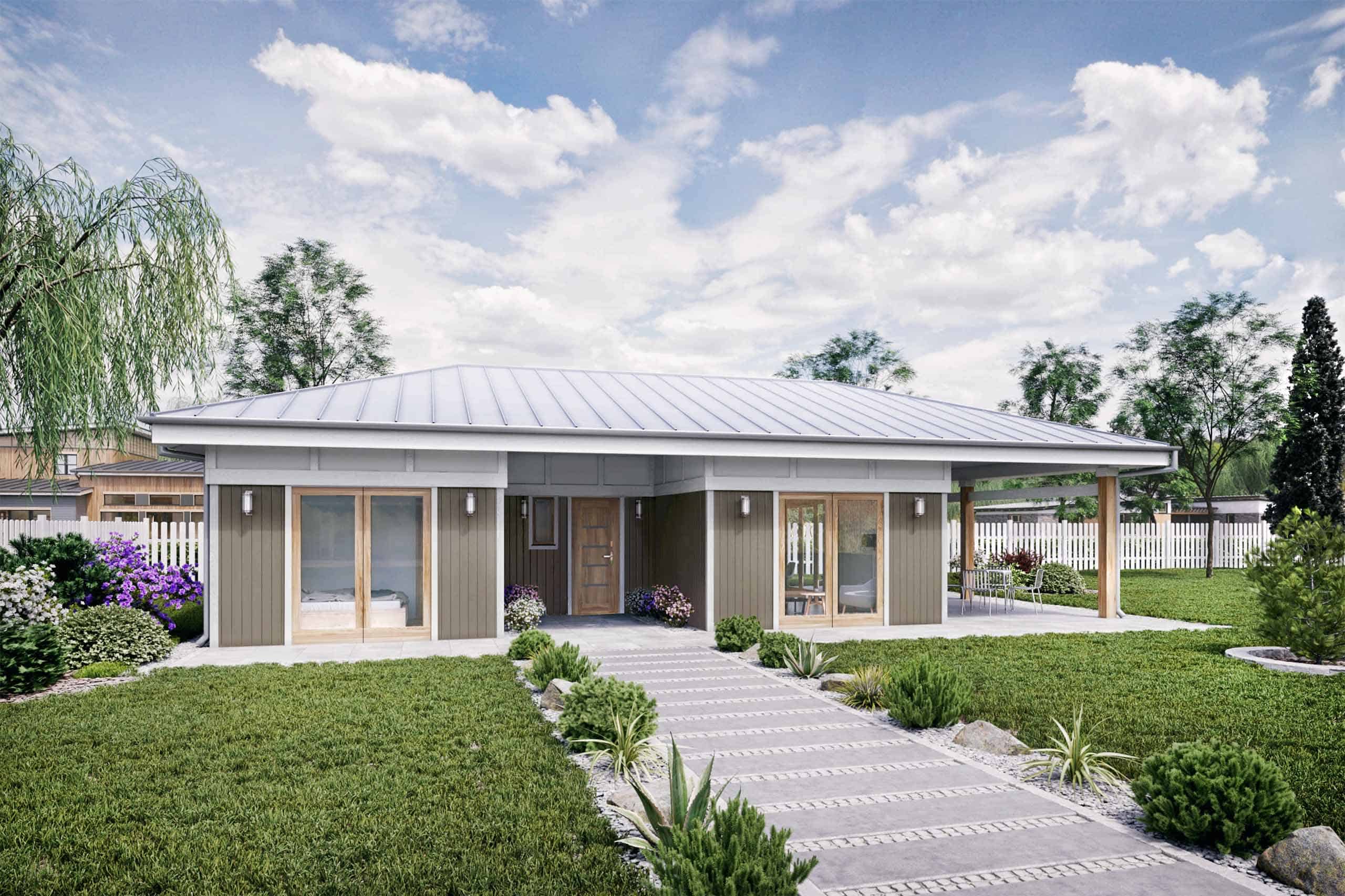
7. L-Shaped Ranch Plans (1,400–1,900 sq ft)
L-shaped ranch plans add visual interest and functional outdoor living space without a dramatic jump in complexity. The angled footprint creates a natural courtyard or patio area framed by the two wings, and garage plans integrate cleanly into one leg of the L.
Why It Stands Out
Craftsman plans and L-shaped designs intelligently use space and eliminate wasted hallways. The shape allows you to separate zones (living wing vs. bedroom wing) while maintaining single-story accessibility. The resulting exterior elevation has more character than a basic rectangle, improving curb appeal without resorting to costly dormers or complex rooflines.
Lot constraints influence the choice of house plans significantly. Orientation and topography significantly affect window placement and room layout, so work with your building site to position the L for maximum benefit.
Best For
Builders wanting architectural interest on corner or wide lots who still want single-story construction benefits.
Key Strengths
- Creates defined outdoor living spaces naturally
- Allows for garage integration without long hallways or wasted space
- Single-story construction benefits maintained
- Works well on various lot configurations
Possible Limitations
- More complex roofing than rectangular plans-roof transitions at the L intersection demand careful flashing
- Requires careful site planning to avoid setback issues
How to Choose the Right House Plan for Your First Build
Finding the right house plan comes down to three variables: your budget, your experience level, and your lot. Here are a few tips for each.
Choose Based on Your Budget
Construction costs range from $150–$250 per square foot nationally, excluding land. Every added complexity-hip roofs, bump-outs, non-standard room sizes-pushes you toward the higher end.
- Choose efficient layouts to minimize long-term expenses. A simpler roofline and rectangular footprint keep trades moving fast.
- Factor in costs for permits and local building codes. A building permit, engineering reviews, and inspections add 15–30% in soft costs that first-timers routinely underestimate.
- Set aside a contingency fund for unexpected expenses-10–15% of your total budget is standard practice.
- Stock plan sets cost far less than custom architectural plans and come with proven structural details.
- Smaller house plans are less expensive to build and carry lower costs across every trade.
Choose Based on Your Building Experience
Match plan complexity to your construction knowledge. If you've never managed a build, start with a basic ranch or two-bedroom plan before tackling a modern farmhouse with architectural details.
Choosing the right builder ensures a smoother building process. If you're hiring a contractor rather than going DIY, research builders' credentials and ask for references. Look at builders' previous work for quality assurance-drive by their completed projects, talk to past clients. Transparency about budgets is crucial when choosing a builder, and effective communication with builders can prevent misunderstandings that lead to costly change orders.
Finding the right builder is just as important as finding the right floor plan. Together, they determine whether you have a smoother construction process or a nightmare.
Choose Based on Your Lot
Your building site dictates more than you'd expect:
- Lot width and depth determine whether a ranch footprint fits or you need to build vertically
- Setback requirements from local building codes restrict how close you can build to property lines
- Slope and drainage affect foundation type-a concrete slab on grade is the cheapest option, but sloped lots may require crawlspaces or stepped foundations
Lot constraints influence the choice of house plans more than personal preference in many cases. Work with your site, not against it.
Which House Plan Is Best for You?
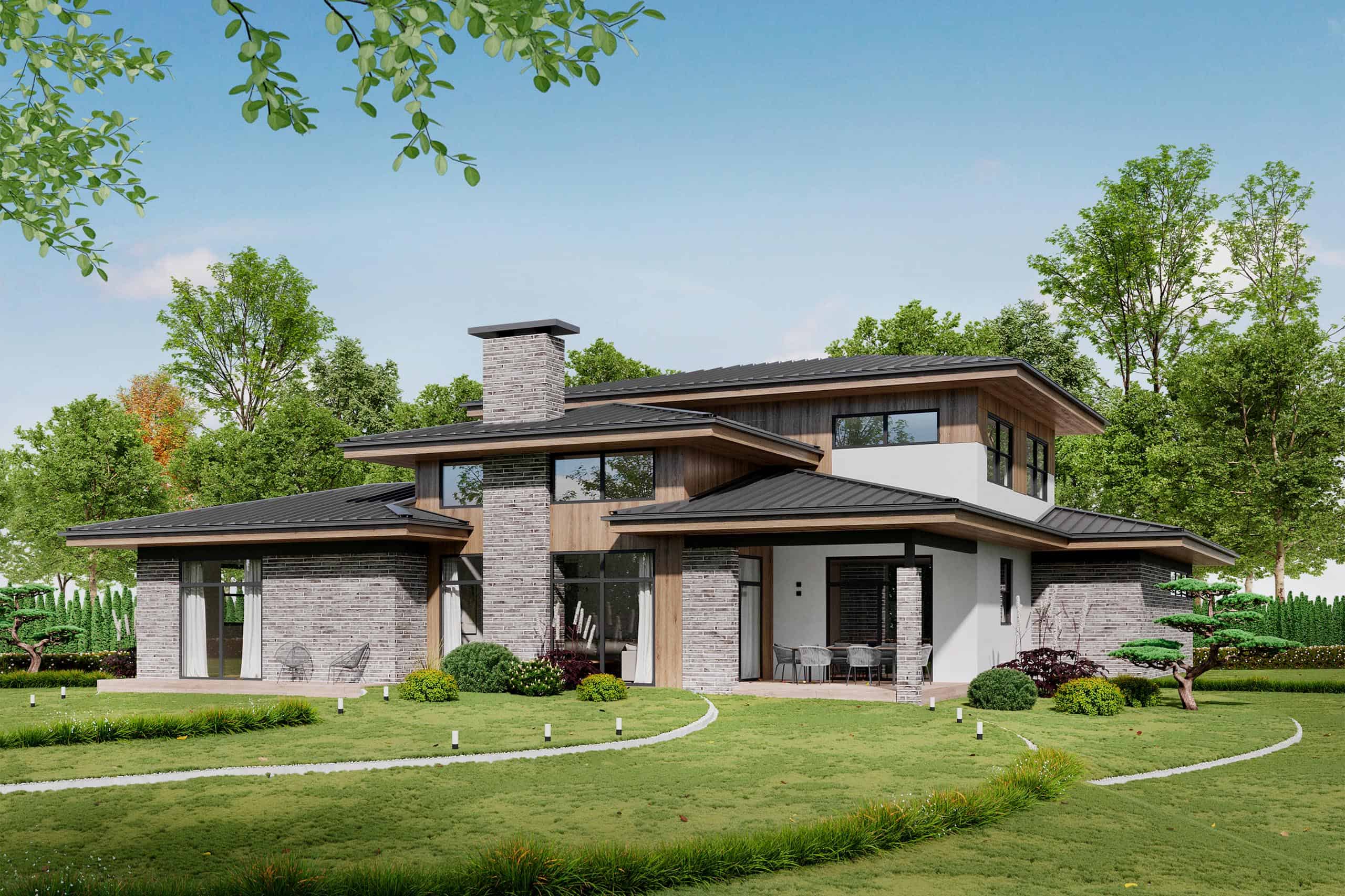
There's no single perfect plan for every builder-but there's a right plan for your situation:
- Choose Small Ranch Plans if you want the simplest construction process and single-story accessibility
- Choose Open-Concept Cottage Plans if budget is your primary concern and you value an efficient layout
- Choose Modern Farmhouse Plans if you need resale value with manageable complexity and timeless exterior design
- Choose Basic Two-Bedroom Plans if this is your first construction learning project or you're building for investment properties
- Choose Split-Bedroom Ranch Plans if privacy matters and you want smart layouts without a second story
- Choose Simple Two-Story Plans if your lot is narrow and you need to accommodate future needs vertically
Smart home design includes clear traffic flow from garage to kitchen, logical room placement, and flex rooms that can adapt to different uses as lifestyles change-from a home office today to a nursery tomorrow. Consider these functional details when evaluating any plan, not just the exterior elevation and room count.
Final Thoughts
The best house plans for first time builders aren't the flashiest-they're the ones that keep your construction process predictable, your budget intact, and your stress levels manageable. Open floor plans maximize natural light and space. Ranch-style homes simplify construction for beginners. And starting with a proven, straightforward design builds the confidence you'll need for future projects.
Your first build doesn't need to be your forever home. It needs to be a successful project that teaches you how construction actually works-from foundation pour to final inspection. That foundation of experience is worth more than any vaulted ceiling or trendy finish.
Use ViSitemap's construction calculators to start estimating materials, and approach your first build knowing that a stress free experience comes from preparation, not luck.
FAQ
- What's the most affordable house plan for first-time builders?
- Basic two-bedroom plans (900–1,300 sq ft) deliver the lowest total construction cost. Fewer materials, shorter timelines, and minimal mechanical complexity keep expenses down. If you need more living space, an open-concept cottage under 1,200 sq ft is the next most budget-friendly option.
- Should I choose a one-story or two-story plan for my first build?
- For most first-time builders, a single-story ranch is simpler to construct and manage. Two-story plans save on foundation and roofing per square foot but add framing complexity and staircase construction. If your lot is narrow, a two-story may be necessary.
- How much does house plan complexity affect construction costs?
- Significantly. Complex rooflines alone can increase costs by 20–50% through additional framing, flashing, and labor. Adding dormers, bump-outs, or non-standard room sizes compounds this further. Stick with simple gable roofs and rectangular footprints for lower costs.
- What square footage is ideal for a first-time building project?
- Most successful first builds land between 1,200 and 1,800 sq ft. This range keeps total project costs manageable while providing enough living space for small families. Going under 1,000 sq ft works well for learning projects and rental properties.
- Can I modify a simple plan to add features later?
- Yes. Many plan providers offer modification services to adjust room sizes, add a garage, or reconfigure layouts. Starting with a simple plan and expanding later is a proven strategy. Just verify that your foundation and structural system can support future additions before you break ground.