Single Story vs Two Story House Plans: Which Layout Best Fits Your Lifestyle?

You're planning your dream home, but one decision keeps stalling everything: build out or build up? Get this wrong and you're locked into a layout that fights your daily routine, drains your budget, or limits your options decades from now. The single story vs two story debate isn't just about aesthetics-it's about how you'll actually live in the space every day.
This guide breaks down cost, efficiency, accessibility, energy performance, and design so you can match the right plan to your lot, your family, and your long-term plans.
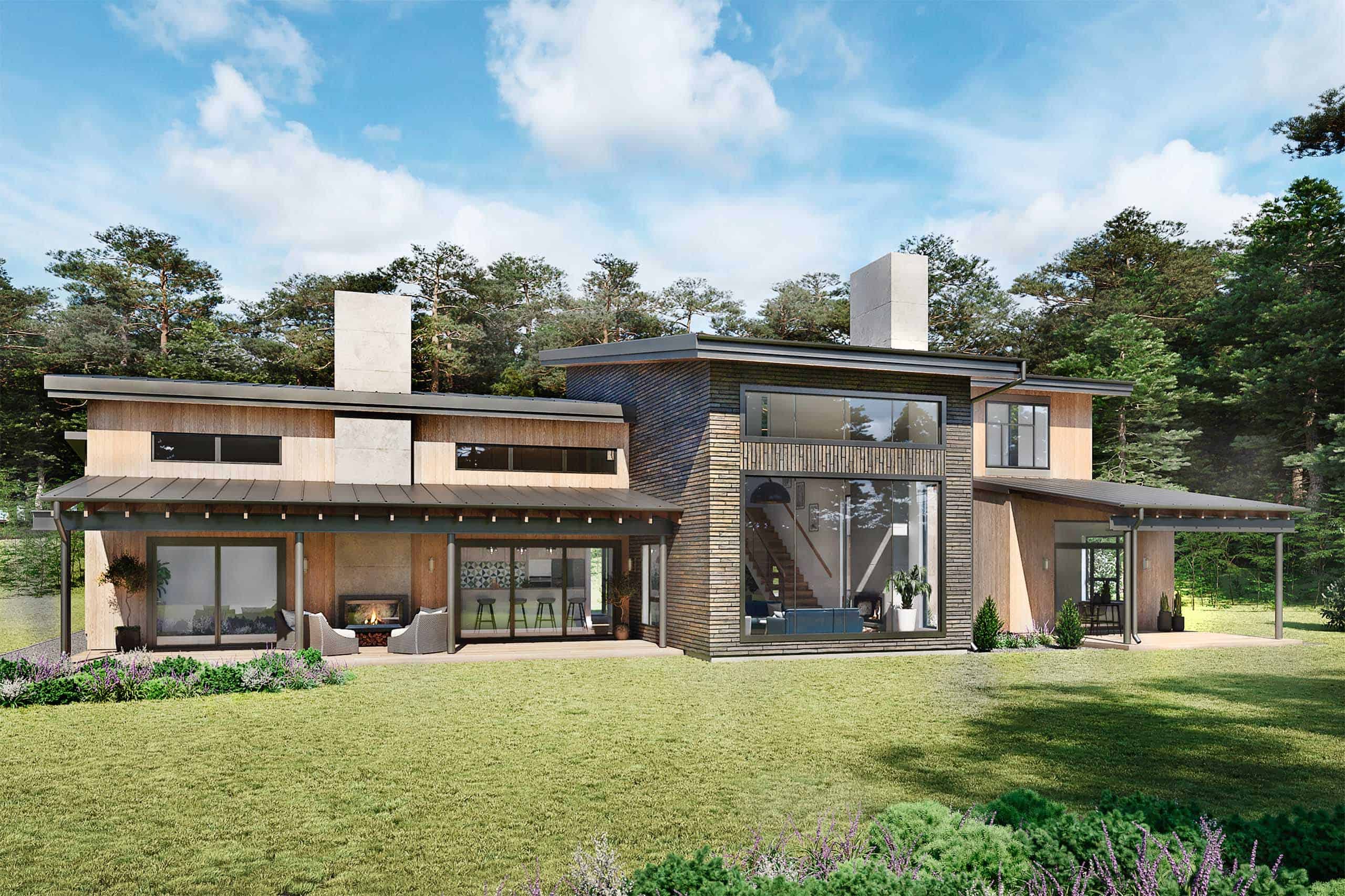
Single Story vs Two Story House Plans: Key Differences
The fundamental distinction is simple: single-story homes have all living areas on one level, while two-story homes separate living spaces across two levels.
- A single story house concentrates every room-kitchen, master bedroom, laundry room, bathrooms-on one floor. The result is seamless flow between living and sleeping areas.
- A two story house divides space vertically. Common areas like the kitchen, great room, and powder room sit on the first floor, with bedrooms upstairs serving as private spaces.
Both approaches offer distinct advantages depending on lot size, family needs, and personal preferences. The choice impacts everything from construction costs and energy efficiency to daily convenience and resale value.
Cost and Construction Considerations
Building costs between single and two story plans diverge in ways most buyers don't expect. Foundation, roofing, land, and labor all shift depending on which direction you build.
Single Story House Plan Costs
Single-story homes require more land and materials for construction because the entire square footage sits on one level. A 2,400 sq ft one story home needs a foundation and roof system sized for the full 2,400 sq ft-a larger footprint that directly increases material costs.
Land cost compounds the difference. Spreading a single story layout horizontally demands more lot width and depth. In urban or suburban areas where land runs $5–$15 per square foot, that larger footprint can add tens of thousands to total project cost compared to a two story home with the same square footage.
On the upside, construction is generally easier. Single-story homes avoid complex structural reinforcement, and systems like HVAC, plumbing, and electrical run horizontally without vertical complications. You also eliminate staircase construction entirely-a cost of $2,000–$5,000 depending on design and finish.
Two Story House Plan Costs
Two-story homes are often cheaper to build per square foot than single-story homes. By stacking floors, you "reuse" the same foundation and roof for double the interior space. Industry data shows savings of roughly 8–15% per square foot when comparing homes of similar finish levels above 2,000 sq ft.
Two-story homes maximize yard space by utilizing vertical building, making them ideal for smaller or narrow lots where land is expensive.
However, two-story homes may require more complex plumbing and electrical systems. Structural engineering for second floor support-joists, load-bearing walls, floor systems-adds cost. Multi-zone HVAC and vertical ductwork increase mechanical complexity. And when total square footage drops below roughly 1,500–1,600 sq ft, the two-story cost advantage shrinks or reverses entirely.
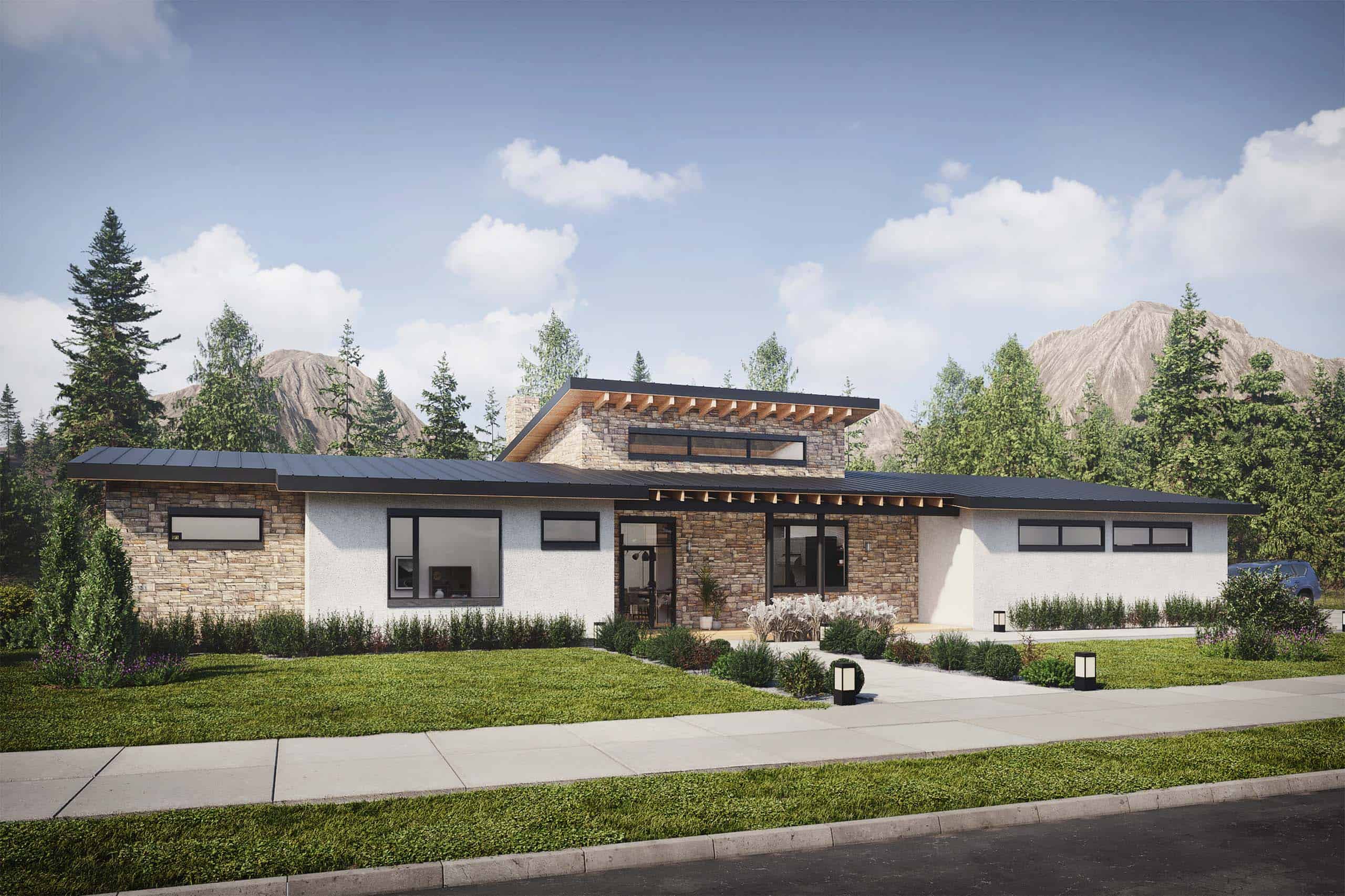
Space Utilization and Layout Efficiency
How each plan type maximizes available space shapes daily living more than most buyers realize.
Single Story Space Planning
Single-story homes often feature open floor plans for better flow. Without stairs interrupting movement, rooms connect naturally-kitchen to great room to master suite-creating layouts that make modest square footage feel larger. Single-story homes provide more living space per square foot because no space is surrendered to staircases.
That staircase savings matters: a typical staircase with landing consumes roughly 85–100 square feet, space that a single story home repurposes as a guest room, media room, or expanded living area.
Dramatic ceiling heights are also easier to achieve. Vaulted ceilings, exposed beams, clerestory windows, and skylights are straightforward when there's no second floor bearing down from above.
Two Story Space Planning
Two-story homes can provide more square footage in smaller footprints. On a lot with tight setbacks or high land cost, building vertically becomes the most cost effective way to maximize living space without expanding the foundation.
Two-story homes allow for defined living and sleeping areas. Bedrooms upstairs, entertaining below-this natural separation benefits larger families, provides noise control, and creates distinct public and private spaces. Two-story homes can feature additional bathrooms upstairs, plus bonus rooms, a second laundry room, or a sun deck accessible from the upper floor.
The tradeoff: stairs and landings consume usable floor area, and moving between levels adds friction to daily routines.
Accessibility and Safety Features
Your plan choice determines how well the home serves every family member-now and decades from now.
Single Story Accessibility
Single-story homes are ideal for aging in place and families with toddlers. With every room on one floor, single-story homes reduce fall risks for elderly individuals and eliminate the most common household hazard: stairs.
Single-story homes allow for wheelchair accessibility, ramp installation, and wide hallway designs without vertical transitions. This matters more than most realize-only about 10% of U.S. homes qualify as "aging ready" with step-free entry and a main-floor bedroom and bathroom. Single-story homes promote easy aging in place for those with mobility concerns.
Emergency evacuation is simpler too, with ground-level access from every room to the front door and beyond.
However, single-story homes can have higher noise levels due to all bedrooms and living areas sharing one level. And bedrooms on the ground floor of single-story homes can feel less secure compared to elevated sleeping quarters.
Two Story Accessibility
Elevating bedrooms off the ground floor provides greater privacy in two-story homes. Two-story homes provide enhanced privacy for bedrooms and better separation of spaces for noise control-useful for families with teenagers or when hosting in-laws.
Stairs provide daily exercise, but two-story homes may present accessibility challenges over time due to stairs. If mobility declines for elderly family members, modifications like stair lifts or elevator retrofits become necessary-expensive structural changes that are better planned in advance.
Two-story homes offer better views from upper floors, and elevated bedroom windows may enhance security.
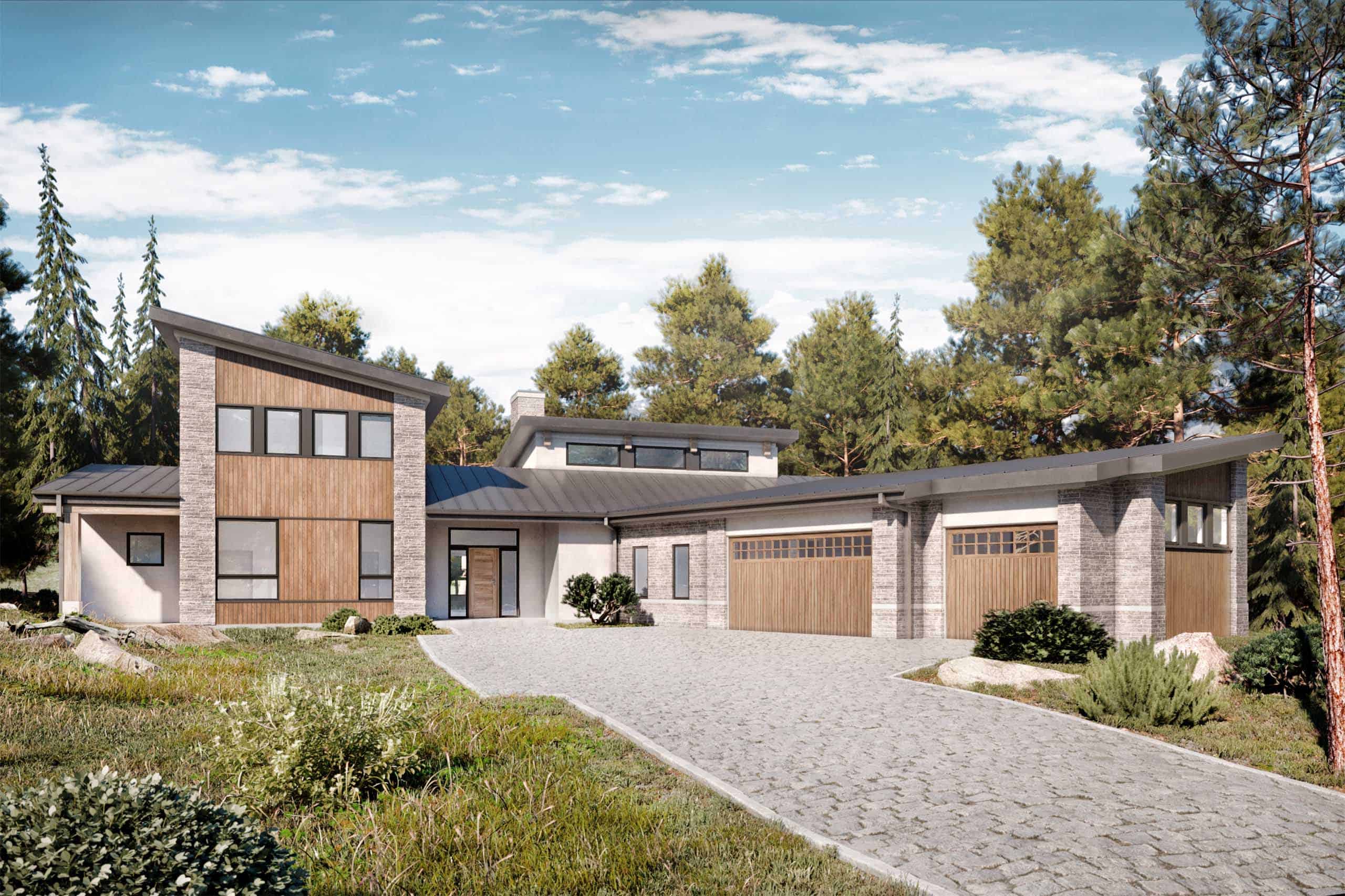
Maintenance and Upkeep Requirements
Home height and complexity directly affect how much time and money you spend on upkeep.
Single Story Maintenance
Single-story homes are easier to maintain and clean. Exterior work-painting, window cleaning, gutter clearing, roof repairs-is straightforward when everything is accessible from ground level. No tall ladders, no scaffolding, no professional crews needed for washing windows or inspecting roofing material.
Single-story homes typically have lower maintenance costs than two-story homes. HVAC ductwork runs horizontally through a single level, simplifying service calls and reducing complexity.
The caveat: more roof and foundation area per square foot of living space means more materials exposed to weather, moisture, and wear over time.
Two Story Maintenance
Exterior maintenance on a two story house requires professional services or special equipment. Upper-story façades, high windows, and elevated rooflines demand lifts or scaffolding-adding cost to routine tasks like roof repairs and window cleaning.
Multiple HVAC zones may need separate system maintenance. Interior upkeep is complicated by stair access when moving heavy equipment or large furniture to the second floor. Plumbing and electrical runs spanning both levels require more careful design and can be costlier to repair.
Total roof area may be smaller, but complex rooflines-hips, valleys, dormers-can increase roofing costs despite the smaller footprint.
Energy Efficiency and Climate Control
Home height affects heating, cooling, and long-term energy costs in ways that depend heavily on design quality and climate.
Single Story Energy Performance
Single-story homes can maintain temperature better than two-story homes. With all living spaces on one floor, temperature distribution stays uniform-no stratification between levels. Heating and cooling costs are generally lower in single-story homes, and one HVAC system often handles the entire space efficiently.
Single-story homes are generally more energy-efficient than two-story homes in terms of climate control simplicity. Single-story homes require less energy to heat and cool when properly insulated.
The disadvantage: more roof and foundation surface area per unit of living space means greater potential energy loss through those surfaces. Insulation quality, roof design, and orientation become even more critical.
Two Story Energy Performance
Heat rises, making temperature regulation harder in two-story homes. In winter, the upper floor runs warm while the first floor stays cool. In summer, cooling the second floor demands more energy. Two-story homes may need zoned heating and cooling systems to maintain comfort across both levels-adding initial cost and ongoing complexity.
On the positive side, reduced total roof and foundation area relative to square footage can improve overall envelope performance when well-designed. Upper floors also benefit from natural stack ventilation, drawing fresh air upward in mild weather.
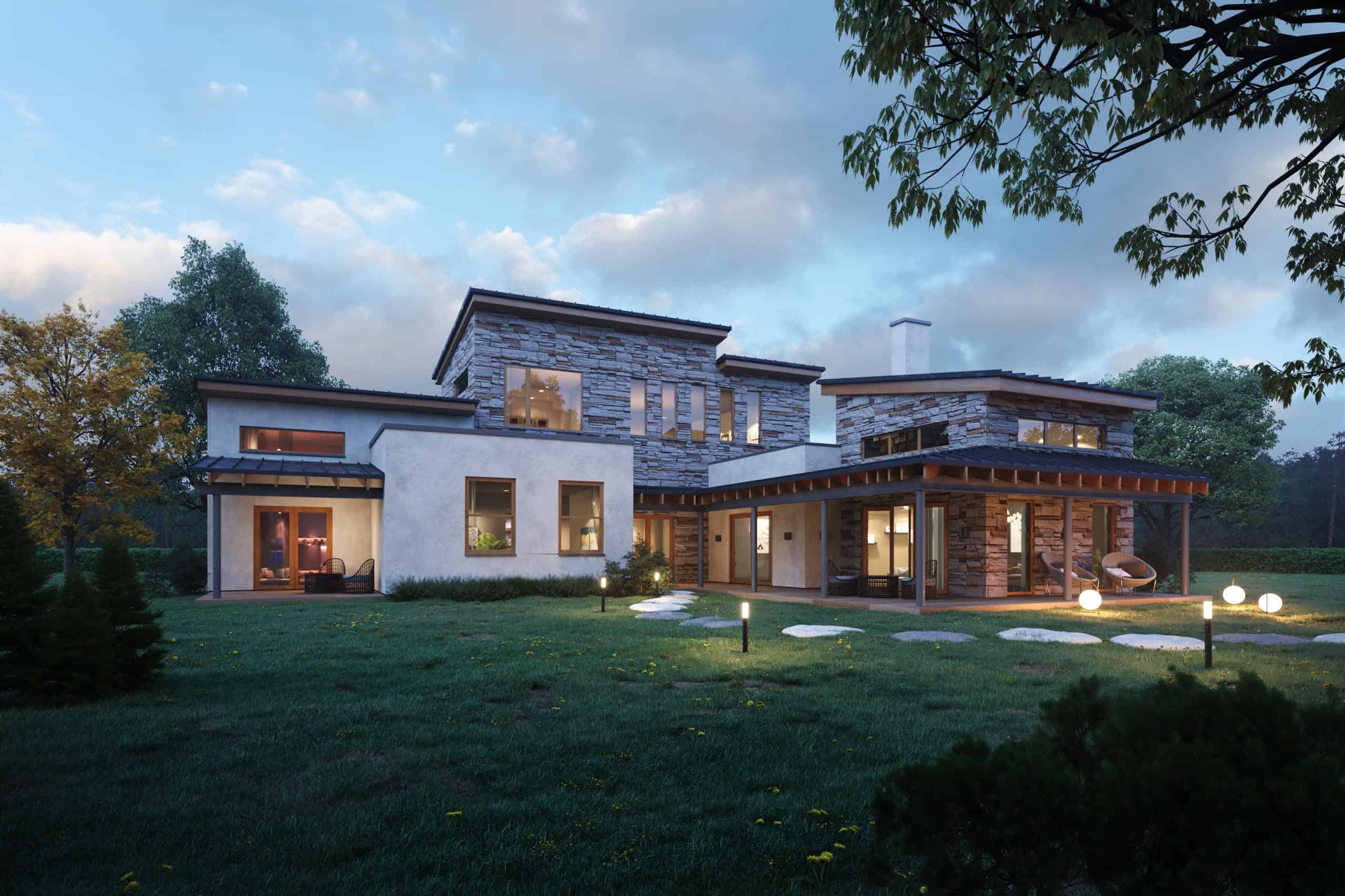
Design Flexibility and Aesthetics
Architectural possibilities and curb appeal differ substantially between the two layouts.
Single Story Design Options
Ranch, Mediterranean, Prairie, and modern contemporary styles all emphasize horizontal lines and landscape integration. A single story home sits naturally within its surroundings, with covered porches, patios, and wide window walls that create seamless indoor-outdoor connections.
Opportunities for high ceilings-blade rafters, exposed beams, cathedral vaults-are easier without a second floor above. Clerestory windows and skylights flood rooms with natural light. Large sliding glass doors extend the great room into outdoor space, making even moderate square footage feel expansive.
Two Story Design Options
Colonial, Victorian, Farmhouse, and Tudor styles rely on vertical proportions that two story designs deliver. Dramatic entryways with soaring double-height foyers, grand staircases, and vertical window groupings create architectural impact.
Balconies, dormers, and varied rooflines add visual interest and curb appeal. Two-story homes offer better views from upper floors-particularly valuable on wooded, sloped, or infill lots in suburban areas where neighboring structures may block sightlines at ground level.
Two-story plans also excel at accommodating a master suite, media room, or additional bedrooms on the upper floor while keeping the main floor open for entertaining.
Which House Plan Should You Choose?
Choosing between a single-story and two-story house plan involves balancing budget and lifestyle.
Choose single story house plans if you prioritize accessibility, easy maintenance, and an open floor layout. Single-story homes typically appeal to buyers planning a forever home, families with young children, or anyone designing for long-term accessibility. In markets like Las Vegas, single-story homes command a 10–15% resale value premium driven by retiree demand-a factor worth weighing if market trends matter to your long term plans.
Choose two story house plans if you need more space on a smaller lot, prefer clearly defined living and sleeping areas, and want lower per square foot construction costs. Two-story homes optimize yard space and are typically more affordable for large square footage, making them the practical choice in urban or suburban areas with constrained lots.
Consider the hybrid approach: a main-floor master bedroom in an otherwise two-story layout gives you more square footage upstairs while keeping primary sleeping quarters accessible. This "one-and-a-half story" approach is gaining popularity for families wanting the best of both configurations.
Both plan types can deliver your dream home when matched to the right site, budget, and lifestyle. The key is honest assessment of how you live today-and how you expect to live a decade from now.
FAQ
- Which is more expensive to build, single story or two story house plans?
- Two-story homes are generally less expensive per square foot once you exceed about 1,800–2,000 sq ft, with savings of roughly 8–15% per square foot due to shared foundation and roof costs. However, single-story homes save on staircase construction and simplified structural requirements. Real-world data from Central PA shows ranch homes at $440,000–$600,000 vs. two-story comparables at $400,000–$560,000 for 2,000 sq ft-a difference of $40,000–$50,000.
- Do single story homes have better resale value than two story homes?
- In markets with aging populations or strong accessibility demand, single-story homes can command 10–15% premiums per square foot. They also tend to sell faster in many suburban markets. Context matters-neighborhood, lot size, and buyer demographics all influence resale.
- How much space do stairs take up in two story house plans?
- typical staircase with landing occupies approximately 85–100 square feet per floor-space deducted from usable living area that a one story home can allocate to other rooms.
- Are single story homes more energy efficient than two story homes?
- Single-story homes offer more uniform temperatures and simpler HVAC requirements. Two-story homes have less roof and foundation exposure per square foot, which can improve envelope efficiency-but heat stratification and zoning complexity often offset that advantage.
- Which house plan type works better on sloped lots?
- Two-story homes handle steep or uneven terrain more effectively. Building vertically reduces grading requirements, adapts more easily to slope, and captures better views. Single-story homes on slopes may require stepped foundations or extensive site prep.
- Can you add a second story to a single story house plan later?
- Technically yes, but it requires foundation reinforcement, load-bearing wall upgrades, roof removal, zoning approval, and significant cost. It's rarely practical as an afterthought-if vertical expansion is even a possibility, plan the structural capacity upfront.