LiFePO4 vs Lead-Acid Batteries for Home Solar Backup
Buying energy storage hardware without analyzing long-term lifecycle metrics can trap you into recurring replacement expenses. When evaluating battery options for off-grid power, marine setups, or RV travel, choosing between LiFePO4 and lead-acid batteries dictates your system's weight, daily runtime, and total cost of ownership.
Buying an ill-suited battery chemistry leads to premature failures, excessive weight penalties, and poor charge efficiency.
In this comprehensive guide, we examine how lithium iron phosphate batteries compare to lead-acid batteries across every major electrical metric, providing clear tactical tips to ensure you select the right battery for your energy needs.
LiFePO4 vs Lead-Acid Batteries
| Feature | LiFePO4 Batteries | Lead-Acid Batteries |
|---|---|---|
| Cell Chemistry | Lithium Iron Phosphate ($FePO_4$) cathode with graphite anode | Lead dioxide positive & sponge lead negative plates in sulfuric acid |
| Nominal Voltage (12V Pack) | 12.8V (3.2V per cell) | 12.0V (2.0V per cell) |
| Energy Density | High: 90–120 Wh/kg (Lighter, compact footprint) | Low: 30–40 Wh/kg (Heavy, bulky footprint) |
| Charge Efficiency | 95% to 98% (Fast charging, low energy wasted as heat) | 70% to 85% (Slower charging, energy lost via internal resistance) |
| Voltage Discharge Curve | Flat: Holds 12.8V–13.2V for 90% of discharge duration | Sagging: Drops continuously from 12.7V down to 11.8V under load |
| Cycle Life (@ rated DoD) | 3,000 to 6,000+ cycles (10 to 15 years daily cycling) | 300 to 500 cycles (2 to 3 years daily cycling) |
Quick Comparison Summary
The fundamental difference between these battery technologies centers on chemical stability, weight, and usable energy density.
- Off-Grid Solar Power: LiFePO4 batteries deliver superior daily cycling performance, zero maintenance, and rapid solar charging.
- RVs and Marine: Deep cycle LiFePO4 units cut onboard weight by up to 60% while eliminating voltage sag.
- Infrequent Backup Standby: Traditional lead-acid batteries remain viable when upfront budget constraints override lifetime value.
Technical Differences: How They Work
LiFePO4 (Lithium Iron Phosphate)
LiFePO4, or lithium iron phosphate, utilizes a cathode made of iron phosphate and a graphite anode. Operating at a nominal voltage of 3.2 volts per cell, a 4-cell series configuration creates a standard 12.8-volt battery pack.
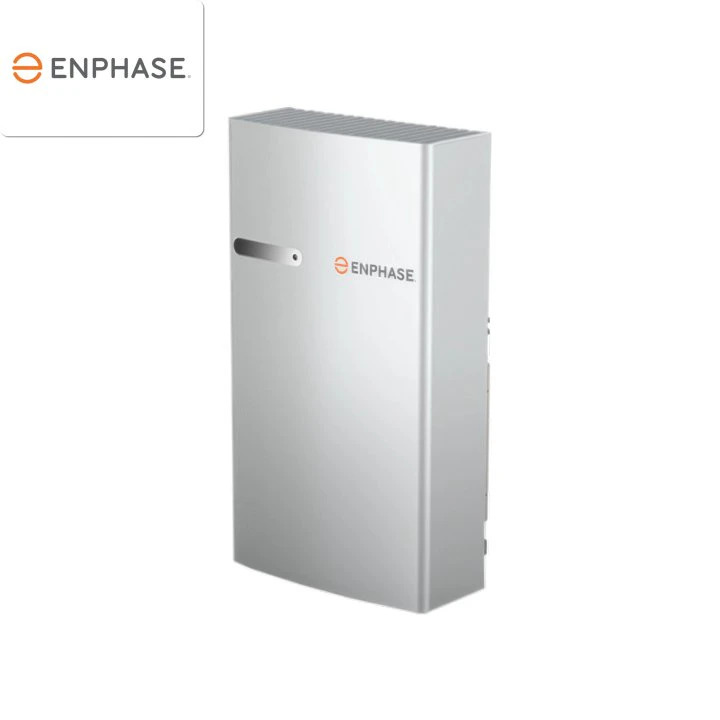
This LFP battery architecture resists chemical decomposition, completely preventing thermal runaway under extreme thermal stress. You can find some of the best LiFePO4 batteries here.
Lead-Acid (Flooded, AGM, Gel)
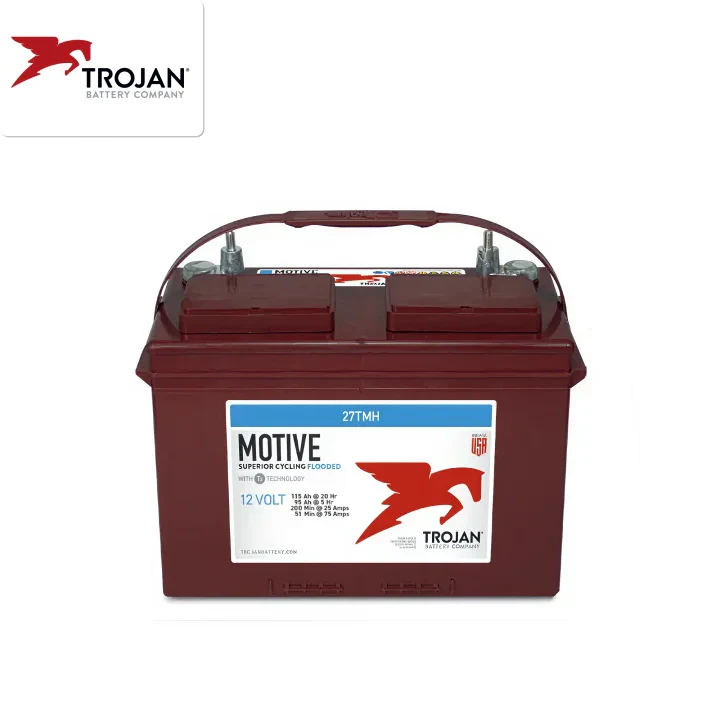
Traditional lead-acid designs utilize lead dioxide positive plates, sponge lead negative plates, and a sulfuric acid electrolyte solution. Flooded options require liquid maintenance, whereas absorbed glass mat (AGM) and gel variants seal the chemistry. AGM batteries lower internal resistance compared to flooded cells, but a lead-acid battery string still experiences voltage drop under high loads. Looking for reliable lead-acid batteries? Find them on this page.
Performance Comparison
Energy Density and Weight
A standard lead-acid battery is nearly twice as heavy as lithium alternatives delivering equivalent usable power. LiFePO4 lithium cells offer gravimetric energy density around 90 to 120 Wh/kg, whereas lead-acid batteries top out near 30 to 40 Wh/kg.
For example, a 100Ah lead-acid battery weighs roughly 60 to 65 pounds, while a 100Ah rated lithium battery weighs under 26 pounds.
Usable Capacity and Depth of Discharge
Nameplate battery capacity can be misleading. Lead-acid batteries lose usable capacity if discharged past 50% depth of discharge (DoD), as deep discharge accelerates permanent plate sulfation.
Conversely, LFP batteries handle an 80% to 100% depth of discharge with minimal degradation. A 100Ah 12V lead-acid battery delivers roughly 50Ah of usable energy, whereas a 100Ah deep cycle LFP unit delivers 80Ah to 100Ah of usable energy.
Cycle Life and Calendar Life
Cycle life represents the primary advantage when you compare LiFePO4 against older formats. Flooded and AGM units yield 300 to 500 cycles at 50% DoD. Modern LiFePO4 batteries last between 3,000 and 6,000 cycles at 80% DoD, meaning quality LFP packs last 8 years to 15 years in daily cycling roles.
Efficiency, Voltage, and Discharge Rates
A lead-acid battery exhibits higher internal resistance, dropping round-trip charge efficiency to 80% or 85%. Lithium batteries deliver 95% to 98% charge and discharge efficiency, meaning lithium batteries charge faster and waste far less solar energy as heat.
Furthermore, lead-acid batteries lose voltage as it discharges, dropping from 12.7V down to 11.8V under load. A single 12V LiFePO4 unit provides a constant voltage between 13.2V and 12.8V for almost 90% of its discharge curve, delivering stable voltage to sensitive electronics regardless of the rate of discharge.
Under high discharge rates, Peukert's Law severely reduces lead-acid capacity, whereas lithium batteries provide full rated capacity even under heavy amp hour loads.
Cost and Total Cost of Ownership (TCO)
While lead-acid batteries cost less upfront, analyzing the true cost of ownership reveals a completely different picture.
A 100Ah lead-acid battery costs around $120 to $180, while a 100Ah LiFePO4 battery costs $250 to $400. However, because lead-acid units require replacement every 2 to 3 years under daily use, you will replace a lead-acid LA battery 6 to 10 times over the operational lifetime of one LFP pack.
When calculating cost per kWh delivered, lithium batteries provide power at roughly $0.05 to $0.08 per kWh over their life, compared to $0.20 to $0.30 per kWh for lead-acid alternatives.
Charging, Charging Systems, and Compatibility
Proper charging is critical for both battery types. Lead-acid requires a three-stage charge profile (bulk, absorption, float) to prevent sulfation and excessive gassing.
Using LiFePO4 batteries requires a dedicated lithium charge profile or a programmable solar charge controller. A built-in Battery Management System (BMS) inside the battery pack monitors individual cell voltages, preventing overcharge, over-discharge, and extreme thermal conditions.
When retrofitting an existing system, ensure your inverter or solar power charger supports constant current and constant voltage stages suited for lithium chemistries.
Maintenance, Installation, and Handling
Flooded lead-acid options require ongoing maintenance, including distilled water additions, terminal cleaning, and equalization charges. AGM and gel units eliminate fluid topping but still demand regular terminal inspection.
LiFePO4 batteries are completely maintenance-free. When installing a string of batteries, lithium batteries offer compact installation options because they emit no hydrogen gas and can be mounted in any orientation.
However, whether operating in cold or hot environments, lithium charging must be paused if cell temperatures drop below freezing (0 degrees Celsius / 32 degrees Fahrenheit) unless internal heating pads are active.
Safety and Environmental Impact
Lead-acid batteries contain toxic lead and corrosive sulfuric acid, posing spill risks during transport or heavy vibration. However, EPA recycling programs collect over 99% of lead-acid components in established closed-loop systems.
LiFePO4 technology features non-toxic materials (iron and phosphate) and superior thermal stability compared to cobalt-based lithium ion batteries. Built-in BMS protections prevent thermal runaway, making lithium iron phosphate safe for indoor living areas, RVs, and marine cabins without specialized gas ventilation.
Best Use Cases and Recommendations
Choosing between LiFePO4 vs lead acid depends on how often you cycle your system:
- Choose LiFePO4 if: You run daily off-grid solar storage, build camper van electrical setups, power golf cart batteries, or require lightweight marine power where longer cycle life justifies higher initial costs.
- Choose Lead-Acid if: You need stationary emergency backup power that sits on float charge, operate in severe sub-zero environments without heating, or face strict initial budget limitations.
Buying Guide and Specs to Check
Before finalizing your purchase, verify these critical parameters with your battery manufacturer:
- Continuous Discharge Rate: Ensure the internal BMS supports your inverter's surge and continuous current draw.
- Low-Temperature Cutoff: Confirm the BMS automatically stops charging when temperatures drop below freezing.
- Series/Parallel Limits: Check how many units can be connected together to expand system battery storage.
- Warranty Terms: Choose brands offering 5-year to 10-year warranties that explicitly cover daily cycling at 80% DoD.
Conclusion
Choosing between LiFePO4 vs lead-acid batteries comes down to balancing initial hardware expenditure against long-term operating value. Lead-acid technology offers a low initial price point for stationary emergency systems, but its heavy weight, low depth of discharge, and short lifecycle create high ongoing costs.
LiFePO4 batteries deliver roughly ten times the cycle life, 95% round-trip efficiency, and flat voltage delivery in a package that weighs a fraction of traditional units.
To optimize your setup, calculate your daily amp-hour consumption, evaluate your weight constraints, and select the battery chemistry that delivers the lowest lifetime cost per kilowatt-hour for your energy system.
FAQ
- Are LiFePO4 batteries better than lead-acid?
- Yes, for daily cycling, off-grid solar power, and mobile applications, LiFePO4 batteries provide roughly ten times longer cycle life, faster charging, deeper depth of discharge, and zero routine maintenance. Lead-acid remains useful primarily for strict upfront budget limits or occasional standby use.
- Can I replace my lead-acid batteries with LiFePO4 directly?
- Yes, in most 12V systems you can swap batteries directly, but you must ensure your battery charger, solar charge controller, or alternator charger supports a lithium charge profile. Lead-acid chargers with desulfation modes can damage the BMS on lithium packs.
- How long do LiFePO4 batteries last compared to lead-acid?
- LiFePO4 batteries last between 3,000 and 6,000 cycles (10 to 15 years of daily use) before dropping to 80% capacity. Traditional lead-acid batteries usually last 300 to 500 cycles (2 to 3 years in daily cycling roles).
- Are LiFePO4 batteries safe for indoor use?
- Yes, LiFePO4 batteries are completely sealed, emit no hydrogen or toxic gases during charging, and possess inherently stable chemical bonds that prevent thermal runaway. They do not require the external venting systems needed by flooded lead-acid batteries.
- Which is cheaper over the long term: LiFePO4 or lead-acid?
- LiFePO4 is significantly cheaper over its lifetime. Because one LiFePO4 battery outlasts 5 to 8 lead-acid replacements and operates at higher charge efficiency, its total cost of ownership is up to 60% lower over a 10-year period.