Roof-top vs Ground-mounted Solar Kits

Transitioning your home to clean energy represents a major property upgrade, but selecting an ill-suited mounting architecture can severely undercut your energy output and increase setup expenses.
Anyone considering solar faces a pivotal equipment decision: choosing between roof-top and ground-mounted solar kits. Buying a package without matching it to your property layout can lead to expensive roof penetrations, unexpected trenching costs, or suboptimal power generation.
In this guide, we provide direct strategic guidance comparing roof-top vs ground-mounted solar kits, detailing real-world installation costs, regulatory hurdles, and performance metrics so you can pick the best solar configuration for your energy goals.
Roof-top vs Ground-mounted
| Feature | Roof-top Solar Kit | Ground-mounted Solar Kit |
|---|---|---|
| Primary Location | Attached directly to existing house or garage roof | Set up on open yard space, field, or dedicated land |
| Installation Footprint | Uses existing building roof area (zero land footprint) | Requires dedicated ground space (~100 sq ft per kW) |
| System Cost per Watt | Lower: $2.70 to $3.20 per watt installed | Higher: $3.20 to $4.00 per watt installe |
| Tilt & Orientation Control | Constrained by existing roof pitch, slope, and direction | Optimal: Full 360-degree orientation and adjustable tilt angle |
| Energy Output & Yield | Standard baseline (limited by roof angle and thermal buildup) | 10% to 20% higher annual output due to air cooling and ideal tilt |
Key Differences at a Glance
Understanding how roof mount solar compares to ground mount solar comes down to evaluating space availability, budget limits, and orientation flexibility.
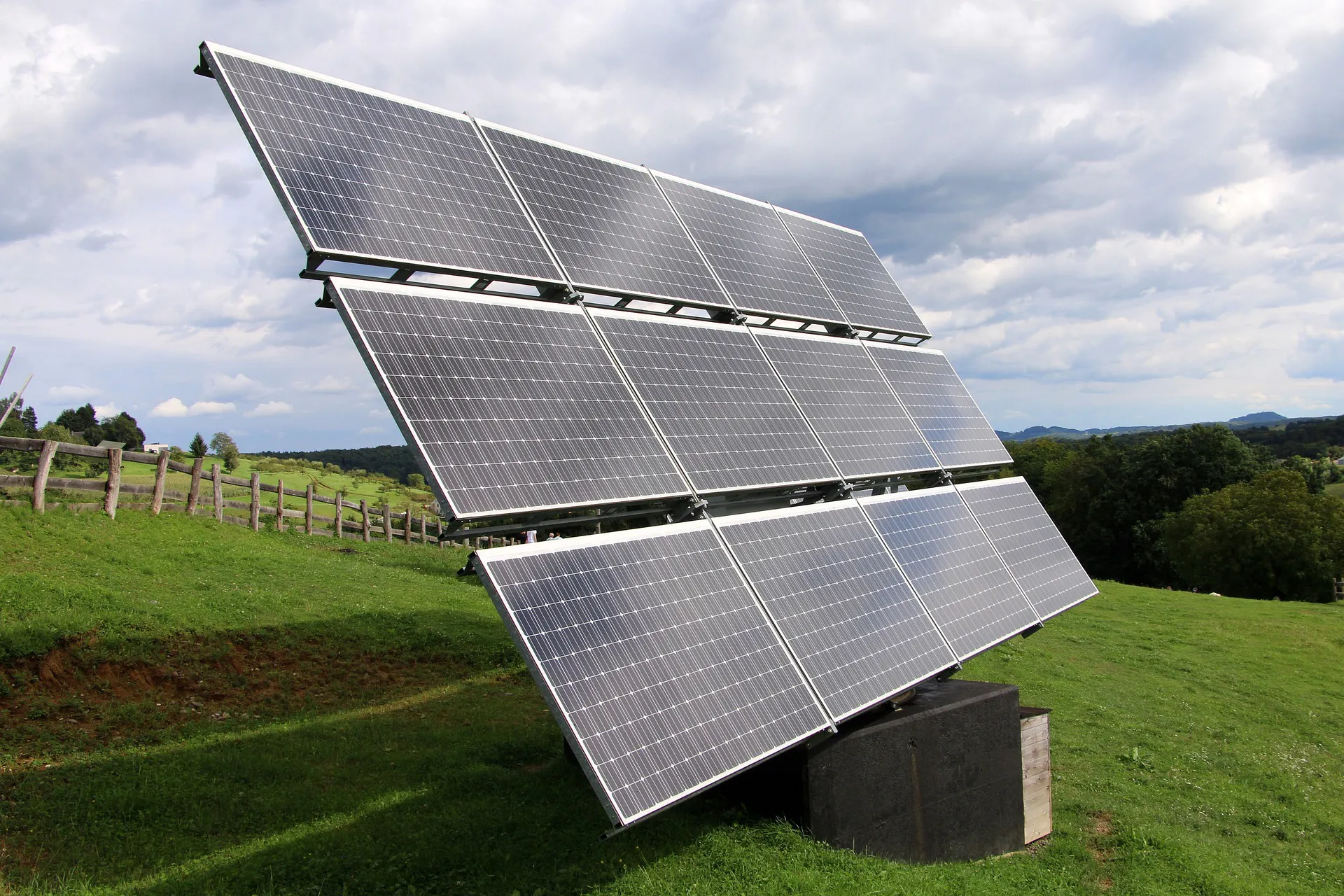
Roof-top solar kits attach directly onto the roof using flashings and rails, utilizing existing structure to lower equipment expenses. A ground-mounted solar system sits on driven metal posts, concrete piers, or weighted ballast blocks placed at ground level.
- Limited Roof Area: If your roof is heavily shaded or lacks unshaded roof space, a ground mount system avoids pitch limitations and captures maximum sunlight.
- Budget Priority: For homeowners wanting the lowest upfront cost, rooftop solar is the best starting choice because it avoids earthwork and concrete foundation expenses.
- Extensive Property: Properties with ample space for ground installations benefit from ground-mounted solar panel systems, which permit ideal tilt angles and effortless cleaning.
Technical Comparison
Efficiency and Energy Output
Energy yield hinges heavily on panel orientation, pitch angle, and ambient temperature. An ideal installation aligns panels toward the equator at an angle matching local latitude.
Roof-mounted solar panels, monocrystalline or polycrystalline, are constrained by your existing roof structure. If you lack a south-facing roof, energy production can drop by 10% to 25% compared to an optimized array.
Furthermore, panels on your roof experience higher operating temperatures because air circulation beneath the array is restricted, causing thermal voltage losses. You can find some of the best roof-mounted solar kits here.
Conversely, ground-mounted solar panels offer total tilt and azimuth optimization. Field data shows that ground-mounted solar panels offer up to 10% to 20% higher annual energy production compared to rooftop solar arrays facing east or west, thanks to unimpeded airflow and precise tracking or fixed-tilt positioning. You can find some of the best ground-mounted solar kits here.
Installation Complexity
Installing roof mount solar panels requires structural assessments to confirm your roof is structurally sound. Crew members secure racking directly onto the roof rafters, placing heavy weatherproofing flashings around every penetration to prevent leaks. If your roof needs replacement within five years, completing roof repairs before a rooftop installation is essential.
Installing a ground mount solar array involves distinct civil engineering steps. Technicians must dig trenches below the frost line to run heavy-gauge AC electrical conduit back to your main panel.
Foundation options include concrete footings, ground screws, or driven steel posts. While this eliminates structural stress on your home, ground mount installation demands heavier equipment and longer site labor.
System Components and Compatibility
Both configurations share core electrical components: PV modules, inverters, and racking hardware. However, the structural rack design differs radically. A rooftop system uses lightweight aluminum rails secured via lag bolts or tile hooks.
A ground mount racking system utilizes heavy structural steel frames engineered to withstand high wind and snow loads.
Integration with battery storage or microinverters remains identical across both architectures, allowing you to add more panels or energy storage capacity as household power demand scales.
Cost Breakdown
Pricing varies across both types of solar array options.
Residential roof-mounted solar kits average $2.70 to $3.20 per watt installed before incentives, making the average cost for a 7 kW rooftop solar system roughly $18,900 to $22,400.
Ground-mounted solar systems cost noticeably more due to foundation work, racking steel, and trenching. The cost of a ground mount array averages $3.20 to $4.00 per watt. Installing a 7 kW solar array on the ground typically costs between $22,400 and $28,000.
Cost Breakdown
| Feature | Roof-Mounted Solar | Ground-Mounted Solar |
|---|---|---|
| Equipment & Rack | $1.00 to $1.30 / watt | $1.40 to $1.80 / watt |
| Installation Labor | $0.60 to $0.90 / watt | $0.90 to $1.30 / watt |
| Permits & Soft Costs | $0.40 to $0.60 / watt | $0.50 to $0.70 / watt |
While ground-mounted solar systems offer a higher initial installation cost, their increased annual output can shorten the payback period on properties where rooftop panels face heavy shade.
Site Assessment: Which Option Fits Your Property?
Conducting a thorough site evaluation clarifies the ground vs roof mount decision. Examine these core factors:
- Roof State: Evaluate age, material, and weight limit. If your roof needs work soon, addressing repairs before setting up roof mount solar is crucial.
- Sunlight Exposure: Map tree lines. If your roof is heavily shaded, placing a ground-mounted solar system in an open yard avoids output throttling.
- Yard Space: Confirm soil composition and flood risk. Rocky soil or shallow bedrock increases ground-mount excavation costs.
If space or soil constraints rule out standard ground mounts, constructing a solar carport or pergola offers an elevated alternative that preserves parking space below.
Permits, Regulations, and HOA Considerations
Local building departments enforce strict compliance rules for any solar installation.
Rooftop installations require structural engineering reviews, fire pathway setbacks, and rapid shutdown compliance under National Electrical Code standards.
Ground-mounted arrays require zoning variance checks, property line setback approvals, and buried line inspections. Homeowner associations rarely object to solar panels on a roof, but they often restrict ground mounts to rear yards or require screening walls.
Maintenance and Longevity
Rooftop maintenance poses minor logistical challenges because technicians must climb ladders to inspect wiring or wash away debris. Accumulated dirt can drop production by 2% to 5% annually.
Ground-mounted solar systems offer effortless access at ground level. Sweeping snow or hosing down modules takes minutes. However, ground arrays require ongoing vegetation management beneath the rack to prevent tall weeds from casting shadows or damaging low-hanging wiring.
Both options utilize solar panel modules backed by 25-year linear performance warranties.
Aesthetics and Property Value
Visual preferences heavily influence the choice between rooftop and ground-mounted solar. Modern sleek all-black rooftop panels blend cleanly into contemporary shingle lines. Conversely, some homeowners dislike the look of solar panels on the roof and prefer placing a solar array out of view in a back field.
Industry real estate studies confirm that installing a solar panel system increases home value by roughly 4%, with buyers paying premiums for low operating energy costs regardless of whether modules sit on the home or yard.
Environmental and Land Use Considerations
Rooftop systems utilize already-developed building footprints, creating zero land disturbance. Furthermore, rooftop panels absorb solar radiation, reducing ambient attic temperatures and lowering indoor air conditioning loads.
Ground installations disrupt a small soil area during post driving and trenching. However, ground-mounted systems preserve soil quality when paired with native pollinator plants beneath the rack, supporting local biodiversity.
Financing, Incentives, and Rebates
Whether you choose a roof mount or ground mount system, standard solar investment incentives apply. State-level rebates, utility SREC programs, and property tax exemptions apply equally to all certified residential solar solutions.
When evaluating quotes, compare total turnkey pricing in dollars per watt across both rooftop solar and ground-mounted options to ensure you capture maximum financial value.
Decision Framework: How to Choose
Follow this simple protocol to decide between rooftop and ground-mounted solar kits:
- Choose a roof mount solar system if: Your roof is structurally sound, faces south or west, experiences minimal shading, and you want the lowest upfront installation cost.
- Choose a ground-mounted solar system if: Your roof is shaded or small, you have ample land, you want maximum output per module, and you do not mind paying extra for civil foundation work.
When you are ready to go solar, consult a certified solar site assessment professional to inspect your electrical panel, measure sun exposure, and calculate exact payback metrics.
Conclusion and Next Steps
The decision between rooftop and ground-mounted solar comes down to balancing available property area, shade conditions, and total installation budget. Rooftop systems deliver excellent savings at a lower upfront cost, while ground mounts offer maximum power efficiency and flexible positioning.
To move forward, check your local zoning regulations, gather recent electric bills, and schedule site inspections with qualified installers to compare customized equipment quotes for your home.
FAQ
- Which is more efficient: roof-top or ground-mounted solar kits?
- Ground-mounted solar kits are generally more efficient because they can be angled perfectly toward the sun and benefit from cooler airflow beneath the modules, boosting daily energy production by 10% to 20% compared to constrained roof setups.
- Are ground-mounted systems more expensive than roof-top systems?
- Yes, ground-mounted systems typically cost $0.50 to $0.80 more per watt due to the extra steel racking, ground excavation, trenching, and concrete foundation labor required.
- Can I switch from a roof-top system to a ground-mounted system later?
- While technically possible, relocating existing panels from a roof to the ground requires disassembling racking, repairing roof penetrations, building a new ground foundation, and re-running underground electrical conduit, making it costly.
- Do I need special permits for a ground-mounted solar kit?
- Yes, ground-mounted systems usually require additional trenching permits, land use zoning approvals, and property line setback verification beyond standard residential electrical permits.
- How do maintenance requirements differ between the two options?
- Rooftop arrays require ladder access to clean dirt or clear debris, whereas ground mounts allow effortless ground-level cleaning but require routine lawn care beneath the racks to prevent weed shading.