Best Solar Panel Kit: Off-Grid, Grid-Tied, and Hybrid Options

An energy bill that keeps climbing is a clear signal to rethink how you supply power to your home. Rising utility rates and frequent power outages force homeowners, RV travelers, and cabin owners to seek control over their energy needs. Investing in solar system kits offers an immediate path to energy independence, but selecting the wrong hardware often leads to wasted money and underperforming setups.
The best solar kits eliminate this guesswork by pairing engineered, compatible components into a complete solar solution. Whether you want to slash your monthly utility bill or secure off-grid resilience, finding the right kit ensures high performance from day one.
In this guide, we break down system types, core components, sizing calculations, and total costs so you can confidently build a reliable, high efficiency system.

Types of Solar Kits
Choosing the right kit starts with matching system architecture to your location and goals.
- Grid-Tied Kits: These connect directly to your local utility grid. A grid-tied solar kit feeds energy to your property, allowing you to draw from the grid when production drops. Surplus generation often feeds back to the utility grid for credits.
- Off-Grid Kits: Engineered for complete independence, an off-grid solar kit supplies remote cabins and rural properties with zero utility connection. Every complete off-grid setup relies heavily on battery storage to keep critical appliances running overnight.
- Hybrid Kits: Combining grid connectivity with a battery backup, hybrid systems give you uninterrupted operation during local power outages while maintaining daily grid support.
- Portable and Plug-and-Play Kits: Designed for an RV, boat, or weekend camping setup, portable solar gear prioritizes quick setup and low weight.
- Expandable Modular Kits: These entry-level systems allow you to install a small solar panel array today and scale up panel count or battery bank capacity as energy demands grow.
Core Components Explained
Every complete solar configuration depends on five fundamental hardware elements to convert sunlight into usable household electricity.
Solar Panels The solar panel captures sunlight and converts it into direct current (DC power). Monocrystalline options offer the highest efficiency and strong solar production in limited spaces. Polycrystalline panels feature a lower upfront cost, while thin-film options provide flexible mounting choices for unique surfaces.
Inverters Your household electronics require alternating current (AC power), making the inverter essential. Standard string inverters handle full panel series, while microinverter systems manage conversion at each individual panel to minimize shading losses. A hybrid inverter manages both solar input and high-voltage battery banks inside one unit.
Charge Controllers Positioned between the panels and the battery, charge controllers regulate voltage. Maximum Power Point Tracking (MPPT) controllers deliver superior efficiency over legacy Pulse Width Modulation (PWM) units by optimizing incoming voltage levels.
Batteries To store energy for night use, modern systems rely on solar batteries. Lithium-ion (specifically LiFePO4) leads the market due to long service lifespans and deep discharge capabilities, outperforming traditional lead-acid options.
Mounting and Balance of System Racking holds hardware secure. Options include roof mounts, ground mounts, and specialized tilt legs. Quality brands like IronRidge deliver robust mounting hardware, alongside essential wiring, breakers, shutoff switches, and conduit.
How to Choose the Right Solar Kit
Selecting the ideal kit requires evaluating key operational parameters before purchasing hardware:
- Assess Energy Demands: Review past utility bills to calculate daily kilowatt-hour (kWh) consumption.
- Identify the Use Case: Match system types to your property layout, whether building a full home solar array or an off-grid cabin retreat.
- Analyze Solar Irradiance: Account for regional peak sunlight hours and local shading factors to gauge actual output.
- Evaluate Support and Warranty Standards: Work with a reputable solar company offering clear hardware coverage, permit-ready schematics, and responsive technical service. Premium solar manufacturers back products with 10 to 25-year performance warranties.
Sizing and System Design
Proper system design prevents undersized equipment and unexpected shutdowns. Begin by taking inventory of your critical appliances, noting their running watts and daily operational hours. Multiply wattage by runtime to establish total daily watt-hours.
Next, divide daily energy needs by your area's average daily peak sun hours to establish required total array capacity. Factor in an inverter sized to handle simultaneous surge loads from heavy motors or compressors.
- Small RV Kit: Features 200W to 600W panel capacity with a modest controller to power mobile electronics, small fridges, and lighting.
- Emergency Backup Kit: A 3kW to 6kW home kit featuring 48V battery storage keeps lights, refrigeration, and communication active during grid failures.
- Full Home Solar System: A comprehensive 5kW to 10kW+ system designed to power your home entirely, running high-draw HVAC units and large home appliances.
Installation Options: DIY vs. Professional
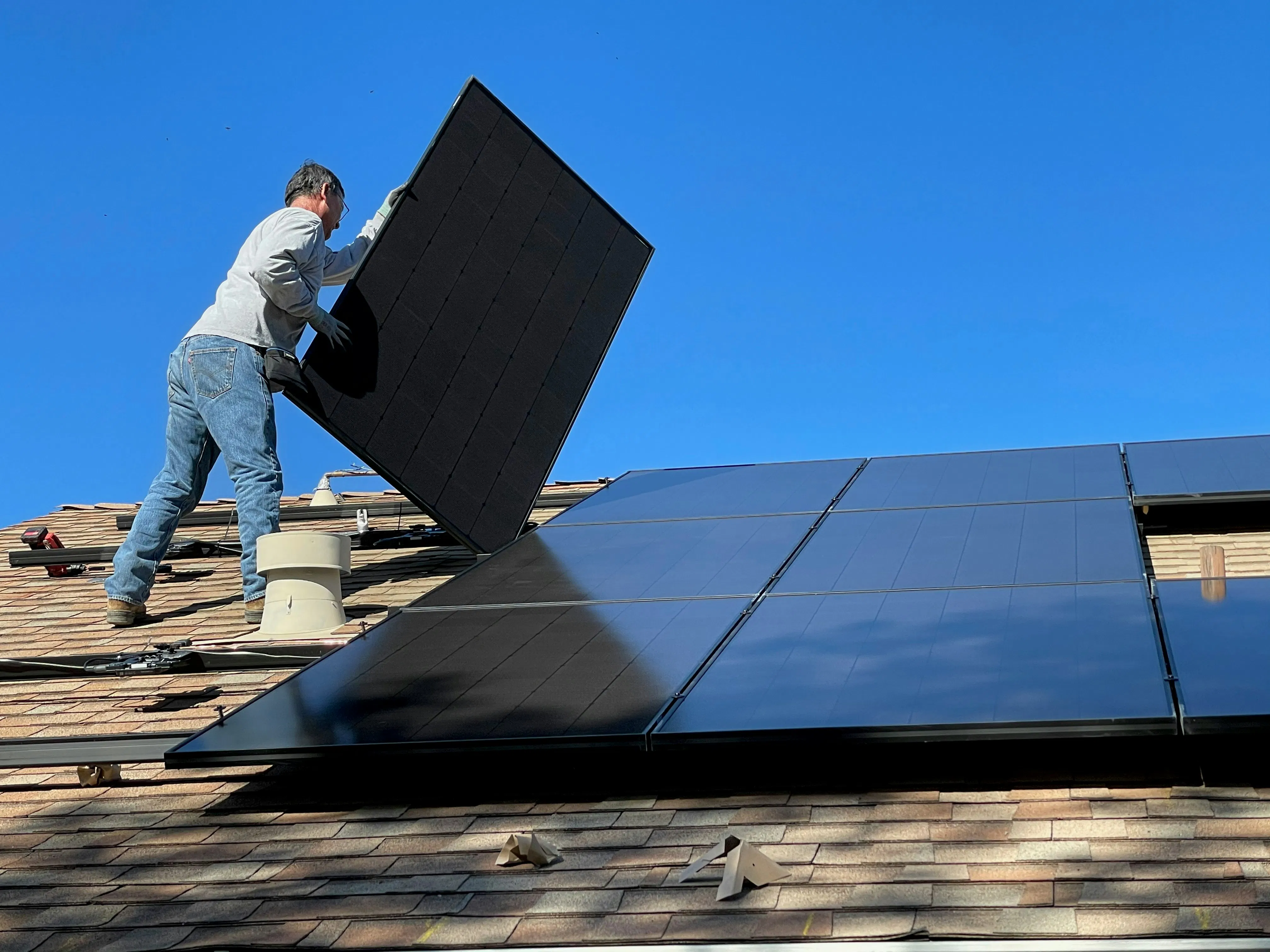
Deciding between taking the DIY route or hiring a professional installation crew comes down to scope, safety, and local regulations.
Taking the DIY solar approach using pre-wired complete solar kits saves substantial labor costs. Many portable and off-grid kits arrive as plug-and-play bundles built for straightforward self-assembly.
For large grid-tied solar applications, hiring a licensed contractor is often required. Grid tie solar setups demand strict electrical compliance, localized building permits, and formal utility interconnection agreements. Certified installers ensure your array remains fully compliant with regional building codes.
Cost Breakdown and ROI
While upfront total cost depends on array scale and battery size, solar equipment remains an exceptionally cost-effective long-term investment. Small portable kits start under $500, while complete home systems scale higher depending on storage volume.
Beyond immediate utility bill savings, federal, state, and local incentives substantially lower adoption costs. Federal tax credits, regional rebates, and net metering programs allow system owners to sell surplus generation back to the local utility grid. Most home installations achieve full financial payback within 6 to 9 years, yielding free renewable energy for decades after.
Environmental Impact and Incentives
Deploying clean solar power reduces reliance on fossil-fuel energy production, directly lowering long-term carbon emissions. Taking advantage of solar incentive programs maximizes these environmental benefits while accelerating project ROI. Local tax exemptions and feed-in tariffs further boost overall financial return on your investment.
Conclusion
Investing in top brands like Sol-Ark, EG4, Enphase, or Schneider ensures your power setup delivers reliable energy for years to come. Match your daily watt requirements to the correct equipment bundle, leverage local incentive programs, and take direct control over your energy future.
FAQ
- What size solar kit do I need for my home?
- Calculate your daily kWh usage and local peak sunlight hours. An average U.S. home using 30 kWh daily typically requires an 8kW to 10kW system to cover core electrical demands.
- Are portable solar kits powerful enough to run appliances?
- A portable kit generating 200 to 600 watts easily powers laptops, LED lighting, mini-fridges, and small devices, but running heavy appliances requires a larger residential system with high-capacity battery support.
- How much do the best solar kits cost?
- Entry-level portable units cost under $500, mid-sized cabin kits range between $2,000 and $6,000, and full residential setups run $10,000 to $20,000+ before applying tax credits.
- Can I install a solar panel kit myself?
- Yes. Off-grid and modular setups are built specifically for self-installation. However, grid-tied residential systems generally require electrical permits, utility approval, and a licensed contractor.
- What maintenance do solar panels require?
- Solar hardware requires minimal maintenance. Routinely clean panel surfaces of dust or debris, inspect racking mounts annually, and monitor inverter and battery performance metrics via integrated monitoring apps.