
Grid-Tie vs Off-Grid Solar System: Which One Fits Your Home?

Choosing a solar system comes down to one question: do you want to stay connected to the grid or cut ties with it completely. A grid-tied system leans on the utility grid and net metering to keep costs down. An off-grid system runs entirely on solar panels, batteries, and sometimes a generator, with no utility connection at all.
This guide breaks down grid-tied and off-grid solar systems side by side, covering cost, reliability, batteries, installation, and how to decide which setup is right for your property.
Grid-Tied vs Off-Grid: Side-by-Side Comparison
| Feature | Grid-Tied | Off-Grid |
|---|---|---|
| Upfront cost | Lower | Higher |
| Battery required | Optional | Essential |
| Backup during outage | Only with battery/hybrid inverter | Built-in |
| Complexity | Lower | Higher |
| Maintenance | Lower | Higher (batteries, generators) |
| Access to electricity | Grid + solar | Solar + battery only |
| Best for | Homes with reliable utility access | Remote properties, unreliable grid access |
Understanding Solar Power: How Each System Works
What Is a Grid-Tied Solar System?
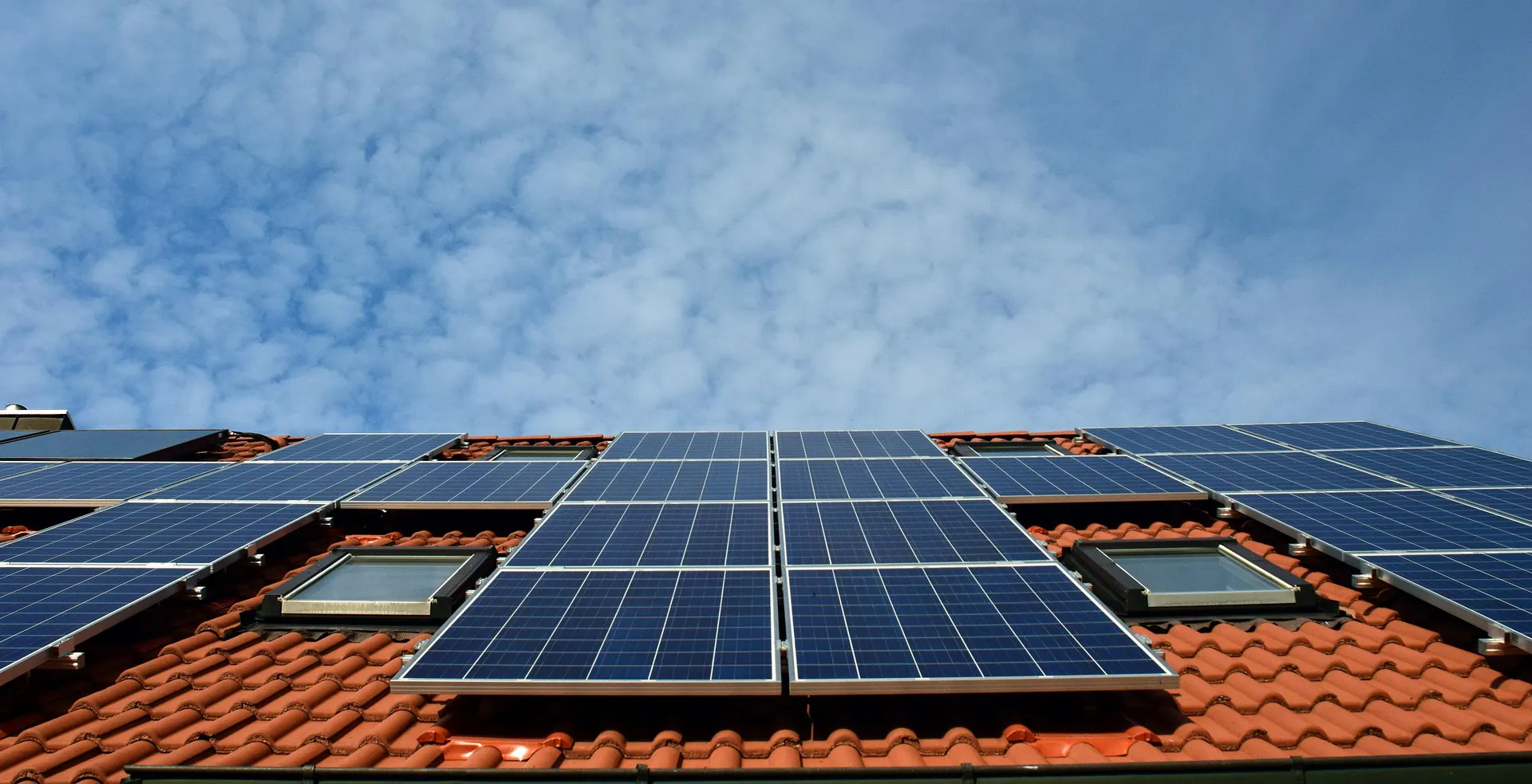
A grid-tied solar system connects your solar panels directly to the local utility grid through an inverter. When your panels generate more electricity than your home uses, the excess power gets sent to the grid, often earning you credit through net metering. When your solar production drops, like on cloudy days or at night, you pull electricity back from the grid instead of running out of power.
Most residential solar installations in the U.S. are grid-tied, since they're simpler, cheaper to install, and don't require a battery bank to function.
What Is an Off-Grid Solar System?
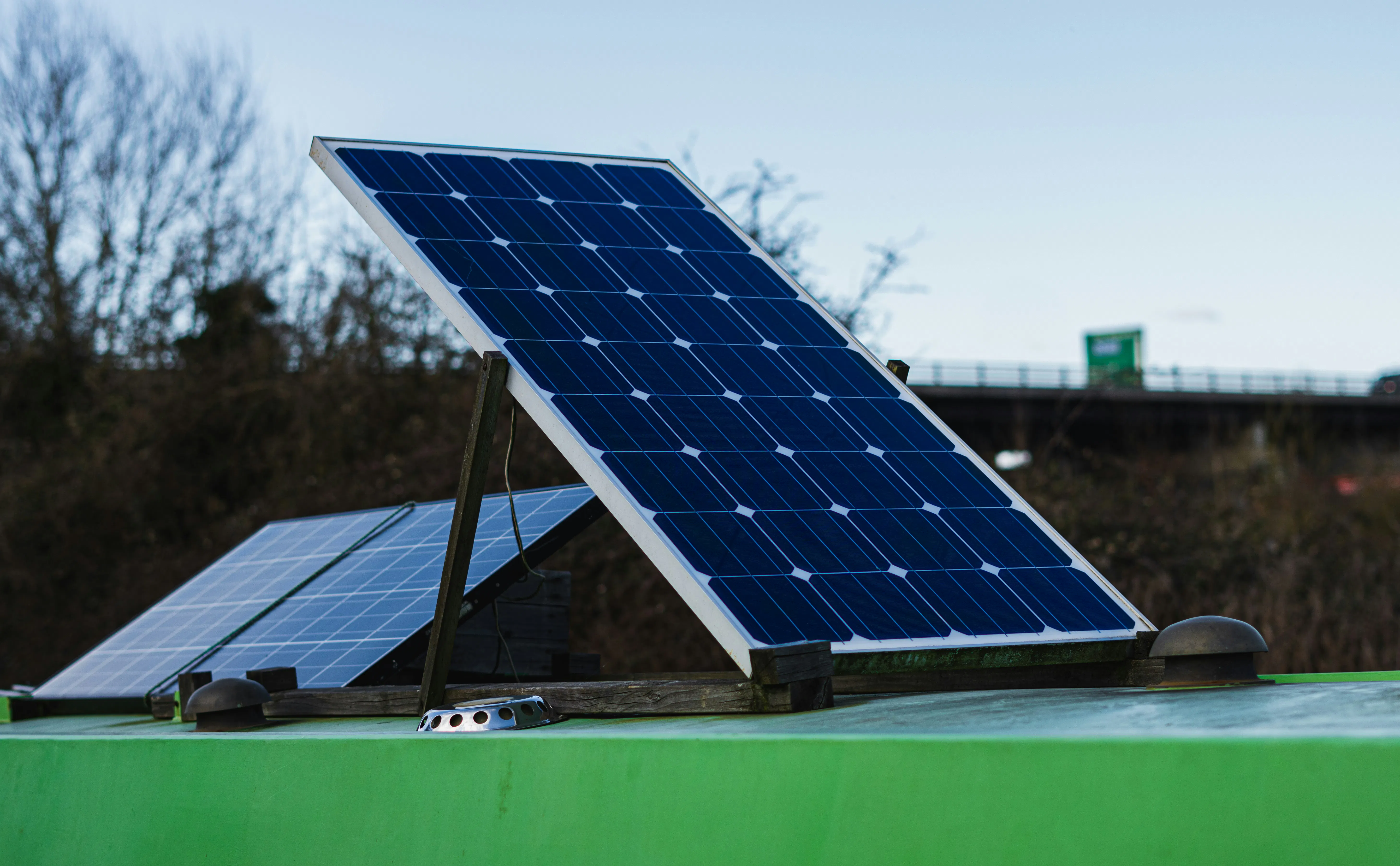
An off-grid system has no connection to the utility grid at all. Solar panels feed a charge controller, which charges a battery bank, and an off-grid inverter converts stored direct current into usable electricity for the home. A backup generator often fills in during extended cloudy stretches when solar production and battery storage aren't enough.
Off-grid setups deliver true energy independence, but that self-sufficiency comes with a much bigger price tag and more complex system design than a standard grid-tied system.
A standard grid-tied solar panel system is the right choice for most homeowners who have reliable access to electricity through their local utility and just want to lower their power bill. A fully off-grid system makes more sense for remote properties where running power lines would be expensive or impossible.
Costs and Financing
Upfront Costs
Grid-tied solar panel systems typically cost less upfront since they skip the battery bank entirely, unless you choose a hybrid system with battery backup. Off-grid systems cost significantly more because batteries, a charge controller, and often a backup generator all add to the price, on top of the panels and inverter.
Ongoing Costs
Grid-tied systems carry lower ongoing costs, since there's no battery to replace and utility charges are typically limited to a small connection fee. Off-grid systems face real battery replacement costs every 5 to 15 years depending on battery type, plus generator fuel and maintenance.
Incentives and Payback
The federal incentive picture has changed. The 30 percent residential tax credit that used to apply broadly to home solar installations, including many off-grid setups, ended for systems installed after December 31, 2025.
A commercial investment tax credit still applies to third-party-owned systems like leases and power purchase agreements. Net metering policies, which let grid-tied system owners sell excess solar back to the grid, still vary significantly by state and local utility, so check what your local utility currently offers before assuming a payback timeline.
Performance, Reliability, and Energy Security
Grid-tied systems depend on the utility grid for backup power, and standard grid-tied systems automatically shut down during a power outage for safety, cutting off backup power entirely unless you've added a hybrid inverter and battery.
Off-grid systems, by design, don't experience a traditional power outage at all, since there's no utility grid connection to lose. Their reliability instead depends entirely on system sizing: enough panels and battery storage to cover cloudy days and periods of low solar production without running the generator constantly.
Batteries and Energy Storage
Battery storage plays a very different role in each system type. In a grid-tied setup, a battery is optional, mainly useful for backup power during an outage or to store excess solar electricity for evening use. In an off-grid system, the battery bank is essential infrastructure, sized specifically around your daily electrical load and how many days of autonomy you need without sun.
Lithium-ion batteries dominate new installations for their longer lifespan and higher depth of discharge compared to older lead-acid battery banks, though flow batteries are gaining ground for larger off-grid installations that need extended backup power.
Key Components and Installation
Both system types share core hardware: solar panels, an inverter, and mounting hardware. Grid-tied systems typically use string or microinverters tied directly into your home's electrical system and the utility grid. Off-grid systems need a charge controller between the panels and batteries, plus an off-grid inverter built to run independently. Site assessment matters for both: roof condition, shading, orientation, and local permitting and interconnection requirements with your utility all affect system design before installation begins.
How to Choose the Right Solar System
A few questions narrow this down fast:
- Is your access to electricity through the grid already reliable? If yes, a grid-tied system is usually the more cost-effective choice.
- Do you need guaranteed backup power during an outage? Consider a hybrid solar system with battery backup rather than standard grid-tied.
- Is your property too remote for grid power, or would running power lines cost more than an off-grid setup? Off-grid may be the only practical option.
- What's your budget for upfront cost versus long-term energy independence?
Conclusion
There's no universally right solar system, only the right system for your specific situation. A grid-tied solar system gets most homeowners lower bills and a simpler installation, especially with net metering support from a cooperative utility.
An off-grid system trades a higher upfront cost for full energy independence, which matters most when grid access isn't reliable or available at all. Weigh your budget, backup power needs, and location honestly before you commit, since retrofitting a grid-tied system into a true off-grid setup later is far more expensive than planning for it upfront.
Turn your Search Console clicks into a living 3D planet
No tracking scripts, site code changes, or server load. Connect your read-only Google Search Console API and form your site's planet in seconds.